Alternative energy innovation is expanding beyond solar panels and wind turbines. Compare emerging technologies, system costs, reliability, incentives, and the best use cases for homes and businesses.

For most buyers, proven options such as solar photovoltaics, heat pumps, battery storage, and smart energy-management systems deserve attention before experimental alternatives. Wind, green hydrogen, and long-duration storage may fit specific sites or pilot programs, but their value depends heavily on local conditions and infrastructure.
The best choice is not simply the newest technology. It is the system that matches your energy use, electricity tariff, property constraints, resilience needs, and financing options. Comparing commercial solar storage proposals, equipment warranties, and energy-management features can reveal meaningful differences beyond the initial quote. Start with the problem you want to solve: lower operating costs, backup capability, electrified heating, or emissions reduction. Then evaluate each option using the same assumptions.
At a Glance
- Prioritize established systems first: solar PV, heat pumps, battery storage, and energy-management platforms are practical starting points for many properties.
- Match the technology to the site: wind output, hydrogen benefits, and storage value depend on local resources, tariffs, grid access, and operating patterns.
- Compare lifetime value, not equipment price alone: maintenance, interconnection, warranties, financing, and electricity rates can change the outcome.
| Technology Path | Typical Buyer Question | Main Value Driver | Key Cost or Planning Driver |
|---|---|---|---|
| Solar photovoltaic (PV) | Can my roof or site produce useful electricity? | On-site electricity generation | Available space, roof condition, interconnection, system size |
| Battery energy storage | Can I shift energy use or support priority loads? | Using stored or self-generated power at different times | Tariff structure, peak demand, outage priorities, battery sizing |
| Heat pumps | Can I electrify heating, cooling, or hot water? | Moving heat without combustion | Building suitability, electrical capacity, installation needs |
| Wind generation | Is there a strong and usable wind resource? | Site-specific electricity generation | Wind resource, placement, permitting, grid access |
| Green hydrogen | Is this appropriate for a pilot or specialized energy need? | Potential lower-emissions fuel pathway | Electricity source, infrastructure, equipment availability |
| Energy-management software | Can equipment operate more intelligently together? | Coordinating loads, generation, storage, and charging | Data access, compatible equipment, control strategy |
What Today’s Clean-Energy Breakthroughs Mean for Buyers
The short answer: prioritize proven systems before experimental solutions
Alternative energy innovation is broader than new solar panels or larger wind turbines. For a homeowner or business, the most useful innovation may be a better inverter, a smarter battery control system, or software that identifies when equipment is drawing the most power. Proven technologies with clear operating roles are generally easier to compare than early-stage solutions with uncertain site requirements.
Solar PV, heat pumps, battery energy storage, and smart controls can often be evaluated against existing electricity use. By contrast, wind generation requires suitable local wind resources and placement, while green hydrogen depends substantially on the electricity used to produce it. A technology can be promising without being the right first purchase.
Innovation can mean lower operating costs, better resilience, or lower emissions—not just new hardware
A cleaner-energy project can have several goals. A household may want lower grid purchases during certain periods. A small business may want better control of daytime consumption or demand-related costs. A larger facility may need to coordinate solar generation, storage, electric vehicle charging, and flexible loads.
Define success before comparing hardware. If resilience is the priority, identify which loads matter during an outage. If cost management is the priority, focus on tariff timing, demand patterns, and on-site generation. If electrification is the goal, assess heating, cooling, and water-heating needs alongside electrical capacity.
Start with the energy problem you are trying to solve
Do not begin by asking, “Which technology is best?” Ask what the property needs. Is the roof suitable for solar? Is heating equipment due for replacement? Are electricity costs higher at certain times? Is there a need to monitor complex loads? These questions narrow the field and make installer or engineering quotes easier to compare fairly.
Comparing the Main Technology Paths: Output, Reliability, and Cost Drivers
Solar power and advanced panel designs
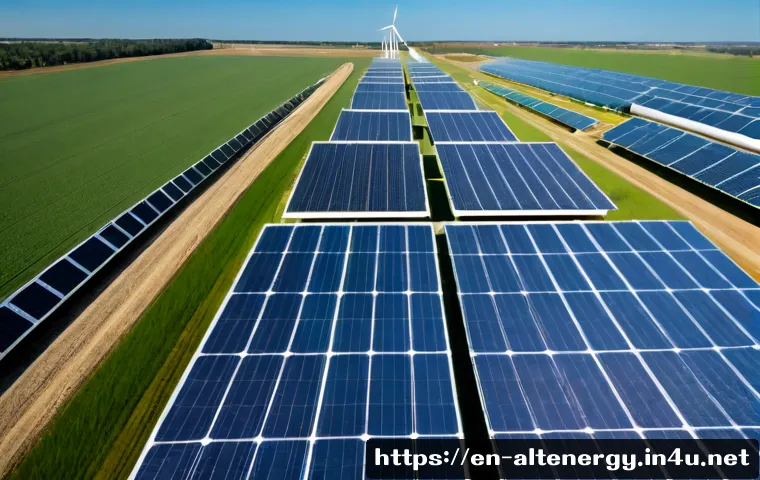
Solar photovoltaic systems convert sunlight directly into electricity. Their practical value depends on site conditions, system design, local electricity prices, available incentives, financing terms, maintenance requirements, and grid interconnection. Solar thermal systems are different: they use sunlight to produce heat rather than electricity.
For buyers reviewing solar proposals, compare the assumed production, equipment scope, roof work, electrical upgrades, monitoring, warranty responsibilities, and interconnection process. A lower equipment quote may exclude work that another proposal includes. This is especially important for commercial solar projects with more complex electrical or site conditions.
Battery storage and time-of-use electricity savings
Battery energy storage can shift electricity use from high-cost periods to lower-cost periods or allow a property to use self-generated electricity at another time, depending on the tariff structure. It can also support selected loads during an outage when designed for that purpose.
The key question is not simply battery capacity. It is whether the battery schedule matches actual energy use. Review interval usage data, peak demand periods, solar output timing, and the loads you would prioritize. Oversizing storage without understanding peak demand or outage needs is a common planning mistake.
Heat pumps, thermal storage, and electrified heating
Heat pumps move heat rather than generating it through combustion. In suitable buildings, they can provide space heating, cooling, or water heating. Their fit depends on the building, existing systems, installation design, and electrical capacity.
For an electrification project, evaluate the whole system rather than only the unit itself. Consider when heating or cooling is needed, whether electrical upgrades may be required, and how smart controls could coordinate the heat pump with solar generation or storage. Thermal storage may also be relevant where shifting heating or cooling demand is useful.
Wind, green hydrogen, and other site-dependent options
Wind generation is highly site-dependent. Output can be affected by local wind resources, turbine placement, permitting conditions, and grid access. A general expectation based on another property is not enough; the physical site and local rules matter.
Green hydrogen is produced by using electricity to split water. Its climate benefit depends substantially on the source of that electricity. For many organizations, hydrogen may be more appropriate as a pilot-project topic than an immediate replacement for simpler efficiency, solar, storage, or electrification upgrades. Confirm infrastructure, permitting, operating requirements, and electricity sourcing before treating it as a core energy strategy.
Energy-management software for coordinating equipment
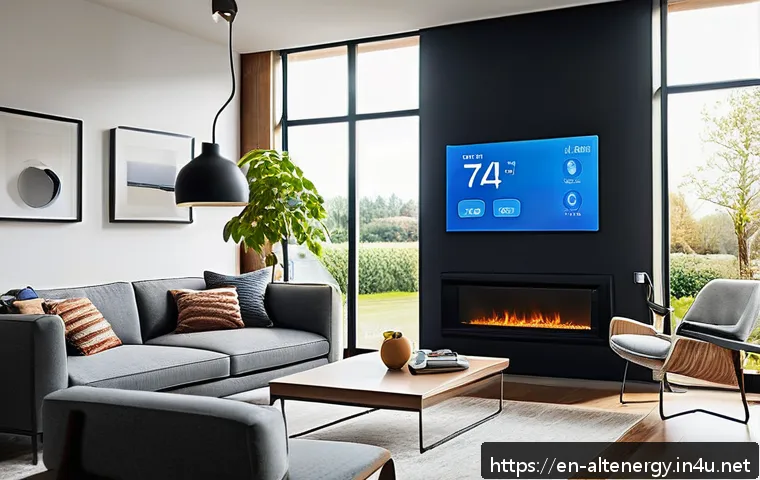
Smart energy-management systems can monitor loads and help coordinate generation, battery storage, charging, and demand response. This can be valuable when a property has several energy assets that should not operate independently.
For a facility manager, the useful question is whether the platform can work with existing meters and equipment, provide usable load visibility, and support the operating decisions that matter. Software is not a substitute for sound system design, but it can help turn separate assets into a coordinated energy plan.
How to Evaluate Value Before Requesting Quotes
Upfront purchase, lease, loan, and power-purchase agreement considerations
Financing changes how a project should be assessed. An upfront purchase, lease, loan, or power-purchase agreement can place different responsibilities on the customer and provider. Review who owns the equipment, who handles maintenance, how performance is measured, and what happens if the property changes hands or operating needs change.
Electricity tariffs, demand charges, incentives, and interconnection costs
Project economics vary by electricity prices, local incentives, financing terms, maintenance needs, interconnection requirements, and system size. For businesses, tariff structure and demand charges can be particularly relevant when evaluating commercial solar storage or energy-management software.
Ask providers to identify the assumptions behind their analysis. Do not assume that an incentive, utility rate, tax treatment, or grid-connection arrangement applies to every location. Verify current local requirements through the relevant utility, authority, or qualified project provider.
Warranty terms, maintenance responsibilities, and expected service life
A quote should make clear what is covered, for how long, and who is responsible for service. Compare equipment warranties separately from workmanship, monitoring, maintenance, and system-performance commitments. A warranty can be valuable, but only if the scope and claim process are understandable.

Why the lowest equipment quote may not be the lowest lifetime-cost option
The least expensive proposal may use a narrower scope, different assumptions, or fewer services after installation. Compare like with like: equipment, design, electrical work, permits, monitoring, maintenance, interconnection support, and warranty coverage. A clear, complete proposal is more useful than a low headline number with unanswered gaps.
Implementation Steps and Common Planning Mistakes
Review energy bills and interval usage data first
Start with available electricity bills and, where possible, interval usage data. Look for when consumption occurs, whether loads rise sharply at certain times, and how seasonal heating or cooling affects the pattern. This is the foundation for evaluating solar, storage, heat pumps, and energy-management controls.
Check roof condition, available space, electrical capacity, and permitting constraints
Physical and regulatory constraints can shape a project before equipment selection begins. Check roof condition, usable outdoor space, electrical capacity, zoning rules, permitting requirements, equipment access, and grid-connection capacity. These factors should be discussed early with installers, engineers, or commercial energy providers.
Avoid sizing storage without understanding peak demand and outage priorities
A battery should be evaluated around a specific job. Is it intended to shift electricity use, support priority loads, coordinate with solar, or address a business operating pattern? List essential loads and distinguish them from loads that can remain off during an outage. This avoids treating backup power as an undefined promise.
Compare proposals using consistent production and savings assumptions
Ask each provider to state assumptions in writing. Compare the same period, tariff basis, production assumptions, maintenance scope, and financing structure where possible. If one commercial renewable energy proposal includes energy-management software and another does not, separate the value of the software from the base equipment comparison.
Best-Fit Options by Property and Operating Need
Homeowners seeking lower bills and backup power
Homeowners commonly begin with solar PV, a heat pump evaluation, or battery storage paired with solar. The best fit depends on roof and electrical conditions, heating and cooling needs, local rates, and whether backup power is a priority. Smart monitoring can also help households understand which loads are driving consumption.
Small businesses managing daytime loads and demand charges
Small businesses may benefit from matching daytime loads with on-site solar generation, then evaluating whether battery storage or energy-management controls fit the applicable tariff structure. Restaurants, retail spaces, offices, and similar operations should assess their actual load profile instead of relying on a generic commercial solar savings estimate.
Warehouses, campuses, and facilities with complex energy use
Larger sites often have more opportunities for coordination, but also more planning complexity. Solar, storage, charging, building systems, and demand response may need to work together. An energy-management platform can help monitor and coordinate these assets, while engineering review can clarify electrical capacity and interconnection requirements.
Organizations considering pilots for hydrogen, microgrids, or long-duration storage
Organizations exploring hydrogen, microgrids, or long-duration storage should define the pilot’s purpose first. It may be resilience, operational learning, emissions planning, or testing an emerging technology under site-specific conditions. Keep pilot assumptions separate from a standard business case for mature equipment.
Selection Criteria and Comparison Summary
Use these checks before choosing an alternative energy system or requesting final proposals:
- Energy goal: Is the priority cost management, resilience, electrification, emissions reduction, or operational visibility?
- Site fit: Have roof condition, space, wind resource, electrical capacity, permitting, and grid access been reviewed?
- Usage profile: Does the design reflect actual electricity timing, peak demand, heating needs, and outage priorities?
- Full project scope: Are interconnection, electrical work, maintenance, monitoring, and warranty responsibilities included?
- Comparable assumptions: Are production, savings, tariff, financing, and incentive assumptions presented consistently?
Before signing, compare installer proposals, commercial energy plans, equipment warranties, and energy-management features side by side. Official product documentation and provider proposal pages are the best places to confirm detailed terms and included services.
Closing Thoughts
Alternative energy innovation is most useful when it solves a clear operating problem. For many buyers, a practical combination of solar, heat pumps, storage, and smart controls may deserve evaluation before more experimental options. The right system depends on local conditions and property-specific data, not a one-size-fits-all ranking. A disciplined comparison process can make cleaner-energy decisions easier to explain and manage.
Useful Information to Keep in Mind
Solar PV produces electricity, while solar thermal produces heat. Battery value can depend on the electricity tariff and timing of energy use. Heat pumps can provide heating, cooling, or water heating in suitable buildings. Wind and hydrogen require more site- and infrastructure-specific evaluation than many standard solar or electrification projects.
Important Considerations
Exact installation costs, incentives, utility rates, tax treatment, payback periods, equipment availability, and permitting requirements vary by location. Future electricity prices, policy changes, battery degradation, and actual site performance cannot be assumed in advance. Confirm current conditions with qualified local installers, engineers, utilities, and relevant authorities before making a purchasing decision.
Frequently Asked Questions
Q1. Which alternative energy technology offers the best value for most homes?
A1. There is no universal answer, but solar PV, heat pumps, battery storage, and energy monitoring are often practical technologies to evaluate first. The best fit depends on the home’s energy use, roof or space conditions, electrical capacity, local tariff structure, financing, and resilience priorities.
Q2. Is battery storage worth the added cost with a solar installation?
A2. Battery storage can shift electricity use from one period to another or support selected loads during outages, depending on the design and tariff structure. Its value should be assessed using actual consumption timing, solar production, peak demand, and the loads that matter during an interruption.
Q3. What should a business compare before choosing a commercial renewable energy provider?
A3. Compare the full project scope, not only the equipment price. Review system design, production assumptions, tariff and demand-charge assumptions, interconnection work, maintenance responsibilities, monitoring tools, financing terms, warranty coverage, and the provider’s plan for coordinating solar, storage, charging, or energy-management software.