Alternative energy is generally cleaner in operation than fossil-fuel power, but the best environmental choice depends on location, resource conditions, materials, and grid needs.
Solar, wind, hydropower, geothermal, and biomass each involve different trade-offs in reliability, land, water, ecosystems, and project complexity. For a home or business, the practical first step is usually to reduce energy waste before adding new generation.
Rooftop solar, battery storage, heat pumps, and renewable electricity procurement can be worth evaluating when they match the building’s demand pattern and local constraints.
A strong decision compares lifetime value and environmental impact rather than relying on a single carbon claim. Local site assessments, interconnection rules, and contractor proposals can change what is practical.
At a Glance
- Renewable electricity generally has lower operational greenhouse-gas emissions than fossil-fuel generation, but full impacts extend across the lifecycle.
- Solar and wind depend on weather and timing, so storage, flexible demand, transmission, or other balancing resources may be needed.
- The best option depends on local energy use, site conditions, ecological concerns, and the ability to manage long-term operating needs.
| Option | Main Environmental Consideration | Reliability Pattern | Typical Project Factors |
|---|---|---|---|
| Solar power | Materials, manufacturing, roof or land use, and end-of-life management | Varies with daylight and weather | Roof condition, shading, interconnection, solar installation design, and possible battery storage |
| Wind power | Siting, land use, wildlife, and local ecosystem effects | Varies with wind conditions | Site suitability, transmission access, permitting, and community considerations |
| Hydropower | River flow, fish migration, sediment movement, and surrounding ecosystems | Can provide reliable electricity | Waterway conditions, infrastructure, ecological review, and operating rules |
| Geothermal | Drilling impacts and local geological conditions | Can provide steady output in suitable locations | Resource availability, drilling cost, and technical feasibility |
| Biomass | Feedstock sourcing, land use, transport, and emissions controls | Potentially controllable output | Verified feedstock quality, supply logistics, and emissions management |
What Makes an Energy Source Environmentally Better?
The short answer: operational emissions are only one part of the picture
An energy source can have low operational emissions while still creating environmental impacts elsewhere in its lifecycle. A useful comparison includes material extraction, manufacturing, construction, operation, maintenance, and end-of-life management. This does not make renewable energy equivalent to fossil-fuel power; renewable electricity sources generally produce lower operational greenhouse-gas emissions. It does mean that responsible planning should look beyond a simple “clean” or “dirty” label.
Lifecycle emissions, land, water, materials, and biodiversity
Every technology uses resources. Solar equipment requires materials and manufacturing. Wind projects need carefully chosen sites. Hydropower can change river systems. Geothermal projects depend on drilling and local geology. Biomass outcomes can vary widely based on where the fuel comes from and how it is transported and controlled.
Lifecycle thinking helps avoid a narrow decision. Ask what land is affected, whether water resources are involved, how local habitats may change, and what happens to equipment at the end of its useful life. For larger projects, these questions are as important as projected electricity output.
Why local grid conditions change the result
The same solar array may have a different practical value in two locations. Local weather, available sunlight, demand timing, grid capacity, and interconnection rules all matter. A building that uses more electricity during sunny daytime hours may have a different solar power profile than one with most demand after sunset.
Before comparing solar installation proposals or commercial renewable-energy procurement options, identify when electricity is used, not only how much is used. That makes it easier to judge whether on-site generation, battery storage, demand management, or an energy-efficiency upgrade deserves attention first.
Comparing Major Low-Carbon Energy Options
Solar power: low operating emissions and site-dependent output
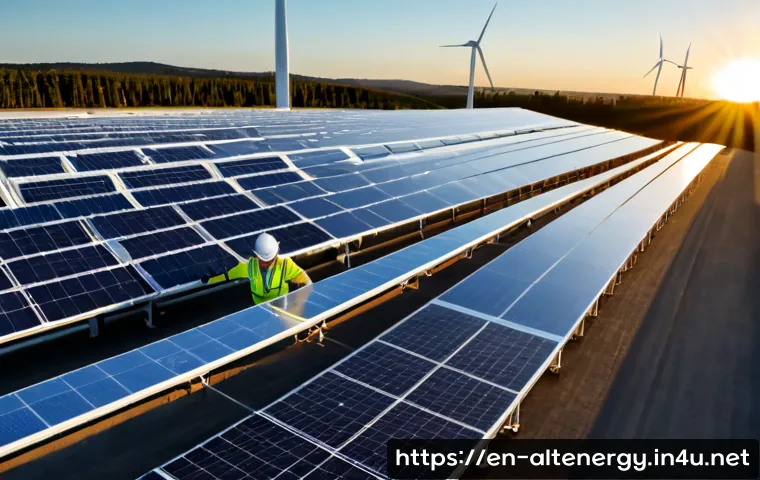
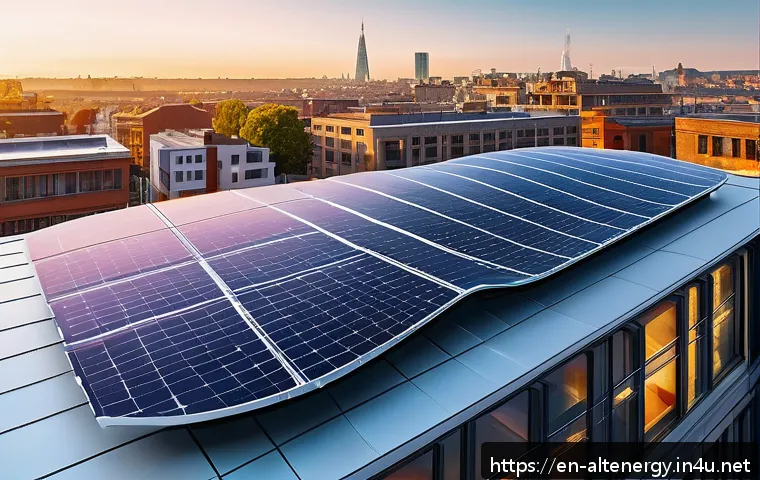
Solar power is often considered for homes, small businesses, and facilities because it can be installed on existing roofs or suitable land. Its output varies with daylight, weather, shading, panel orientation, and local conditions. A rooftop may look suitable at first glance but still require review of roof condition, usable area, electrical equipment, and interconnection limits.
A solar installation should not be evaluated as a panel purchase alone. Consider building condition, expected demand, maintenance access, and future roof work. If a roof needs repair or replacement, timing that work before installation may prevent avoidable disruption later.
Wind power: strong generation potential with siting considerations
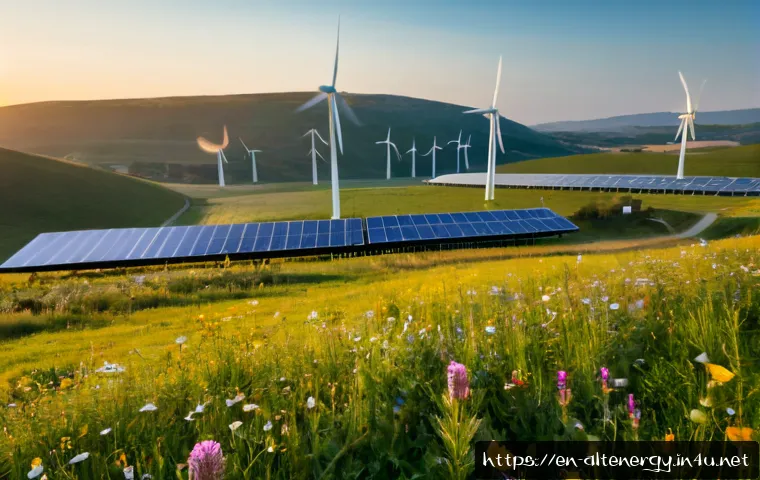
Wind can provide strong generation potential where wind resources and infrastructure support it. However, wind output changes with weather, and project siting requires attention to land use, transmission access, wildlife, and nearby communities. These considerations are especially important for utility-scale or community projects.
For most individual homeowners, wind is not automatically a direct substitute for rooftop solar. The project must fit local wind conditions and site constraints. A broad renewable electricity contract or community-scale option may be more relevant than a small on-site turbine in some cases.
Hydropower, geothermal, and biomass: where each option can fit
Hydropower can provide reliable electricity, but it can also affect river flow, fish migration, sediment movement, and nearby ecosystems. Its environmental profile is therefore strongly tied to a specific river system and project design.
Geothermal energy can offer steady output in suitable locations. The major limits are local geological conditions and potentially significant drilling costs. It is not a universal option, but it can be valuable where the resource is available and project conditions are appropriate.
Biomass requires particularly careful review. Its environmental performance depends heavily on feedstock sourcing, land-use effects, transport requirements, and emissions controls. Do not assume that a biomass label alone proves a low-impact outcome. Ask what material is used, where it comes from, and how emissions are managed.
Environmental Impact, Reliability, and Cost Factors at a Glance
Upfront cost versus lifetime value for homes and businesses
The right question is not simply, “What costs less today?” It is, “What provides useful value under this building’s conditions?” A household may prioritize lower grid purchases or resilience planning. A small business may focus on daytime loads, equipment efficiency, and predictable operations. A larger facility may compare on-site generation with commercial renewable-energy procurement and demand-management strategies.
Exact installation cost, incentives, savings, payback period, maintenance expense, and electricity prices require local information. Treat estimates as planning inputs rather than guaranteed outcomes. Multiple proposals with clearly stated assumptions are more useful than a single headline figure.
The role of batteries, grid upgrades, and demand management
Battery storage can help shift the timing of electricity use or support selected loads, but it also adds material, replacement-planning, and system-design considerations. It does not remove the need to understand demand patterns, electrical constraints, or local grid rules.
Grid upgrades, transmission improvements, flexible demand, and other balancing resources can help manage variable solar and wind output. For a building owner, flexible demand may include moving suitable energy use toward periods when on-site generation is available. Energy-efficiency services can reduce demand first, which may reduce the amount of new generation capacity needed.
Planning a Cleaner Energy Project Without Costly Mistakes
Start with energy use, building condition, and local regulations
Start with actual energy use. Review electricity demand by time of day if that information is available, then look for avoidable consumption. Energy efficiency can reduce the size and complexity of a future solar, storage, or electric heating project.

For homes, inspect roof condition and shading before moving ahead with rooftop solar. For businesses, identify major daytime loads, operating schedules, and equipment that may benefit from efficiency improvements. Local regulations and utility interconnection requirements should be checked early rather than after equipment is selected.
Evaluate site constraints, permits, interconnection, and maintenance
A promising project can be delayed or redesigned by site constraints. Review roof structure, access, electrical equipment, available space, drainage, shading, land impacts, permits, and interconnection capacity. These are not minor technical details; they shape the environmental and financial practicality of the project.
Also plan for maintenance and end-of-life management. Battery replacement planning, roof access, equipment servicing, and responsible disposal or recycling pathways should be discussed before a contract is signed.
Questions to ask installers, developers, and energy providers
- What assumptions were used about my energy demand and usage timing?
- What site constraints, interconnection requirements, or permits could affect the project?
- How will roof condition, shading, electrical equipment, or future building changes affect the design?
- What maintenance and replacement planning is included for solar equipment, batteries, or heat pumps?
- For biomass or larger projects, how are feedstock sourcing, land-use effects, and emissions controls addressed?
Which Option Fits Different Energy Needs?
Homeowners considering rooftop solar, storage, or electric heating
Homeowners may begin with insulation, efficient equipment, and a review of household electricity patterns. Rooftop solar can be worth evaluating when the roof, shading, local rules, and household demand are suitable. Battery storage may be relevant when the household has a clear need to shift usage or support selected loads, but its environmental and replacement considerations should be included in the decision.
Heat pumps can also be part of a cleaner-energy plan because reducing energy waste and improving efficient electric heating can lower the amount of new generation capacity needed. A site assessment can clarify whether the building envelope and existing equipment support that approach.
Small businesses managing daytime loads and energy bills
Small businesses with meaningful daytime electricity use may find solar power especially relevant to evaluate. Yet operating schedules, refrigeration, heating and cooling, equipment loads, and lease conditions can change the analysis. Energy-efficiency services may provide a useful starting point before or alongside a solar installation.
Review commercial proposals for their assumptions about usage, maintenance, interconnection, and future operating changes. The goal is not to select the largest system. It is to select a system that fits the building and business operation.
Communities and facilities evaluating larger renewable projects
Larger facilities and communities should compare environmental effects across several dimensions: lifecycle emissions, land, water, ecosystem impacts, output timing, resilience goals, and project complexity. Hydropower, geothermal, wind, solar, and renewable electricity contracts may each have a role depending on local conditions.
For these projects, ecological protection and grid coordination deserve early attention. A project with favorable operational emissions still needs a credible approach to siting, materials, infrastructure, and local environmental effects.
Selection Criteria and Comparison Summary
Use a short decision checklist before selecting an energy solution:
- Emissions goal: Are you focused on lowering operational emissions, reducing total lifecycle impact, or both?
- Energy profile: When does the home, business, or facility use the most electricity?
- Site fit: Are roof condition, shading, land use, geological conditions, water impacts, and interconnection limits acceptable?
- Reliability needs: Will variable output require battery storage, flexible demand, grid upgrades, or another balancing approach?
- Long-term management: Have maintenance, replacement planning, permits, and end-of-life management been considered?
Compare local installer proposals, request a site assessment, and review commercial energy options using the same assumptions wherever possible. Official project details, technical conditions, and available terms should be reviewed directly before making a commitment.
Closing Thoughts
Alternative energy can reduce operational emissions, but no technology is impact-free. The strongest choices account for lifecycle effects, local ecosystems, building needs, and grid conditions. For many households and businesses, using less energy efficiently is a practical first move. From there, solar, storage, heat pumps, or renewable electricity procurement can be evaluated on their real fit rather than broad claims.
Useful Information to Keep in Mind
1. A cleaner energy plan can combine efficiency, on-site generation, and grid-based renewable options rather than relying on one technology.
2. Variable solar and wind output does not make them ineffective, but it does make timing and balancing resources important.
3. Roof condition, interconnection capacity, and maintenance planning can materially affect a solar or battery project.
4. Biomass should be assessed carefully because feedstock and emissions controls strongly influence its environmental performance.
Important Considerations
Specific project costs, incentives, savings, payback periods, electricity prices, permitting timelines, maintenance needs, and contractor availability cannot be determined without local information. Environmental performance also depends on site-level land, water, supply-chain, and grid data. Review current local requirements and compare qualified proposals before choosing a system or signing an agreement.
Frequently Asked Questions
Q1. Is alternative energy always better for the environment than fossil fuels?
A1. Renewable electricity sources generally produce lower operational greenhouse-gas emissions than fossil-fuel power generation. However, environmental impacts still need to be assessed across materials, manufacturing, construction, land or water use, operation, and end-of-life management.
Q2. Is solar power worth the cost for a home or small business?
A2. It depends on local conditions, energy demand, roof or site suitability, interconnection requirements, available proposals, and future operating needs. Review building condition and energy use first, then compare solar installation assumptions with other options such as energy efficiency or renewable electricity supply.
Q3. Do batteries make renewable energy more reliable, and what environmental trade-offs do they add?
A3. Battery storage can help shift electricity use and support selected loads when solar or wind output is not available. It also introduces material use, system-design requirements, maintenance considerations, and replacement planning. A battery should be evaluated as part of the whole energy system, not as an automatic add-on.