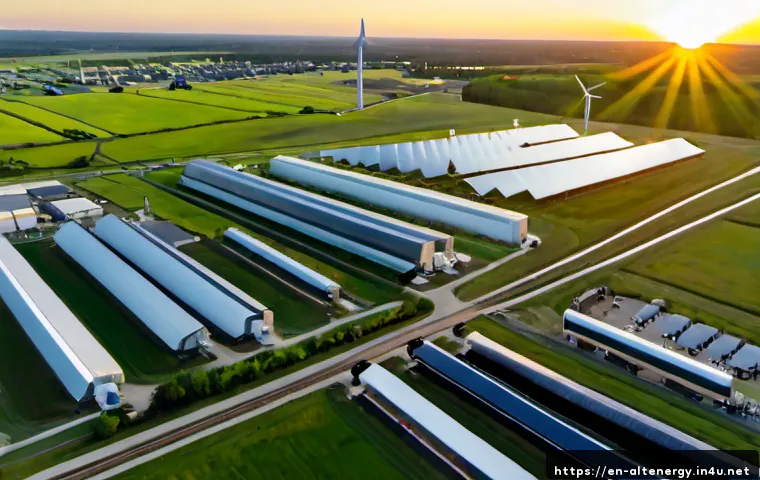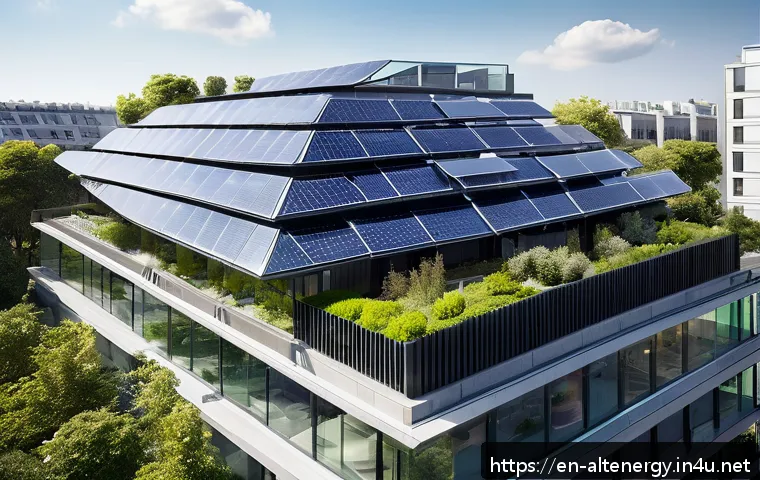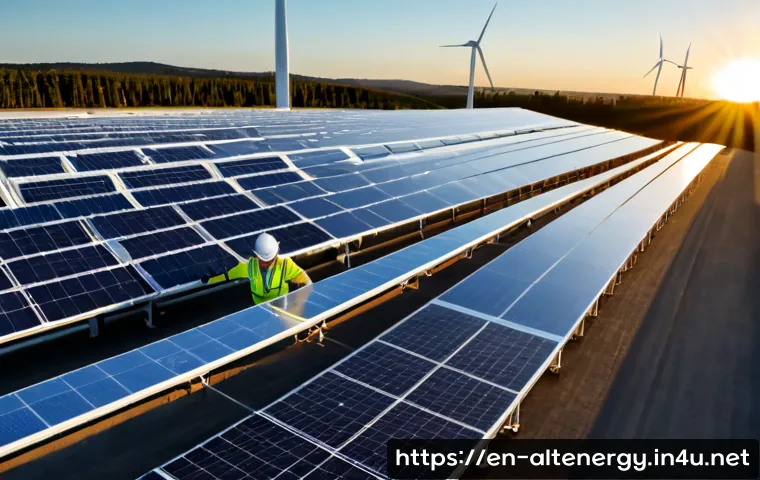
Renewable energy is advancing fastest through better solar conversion, larger and more precisely controlled wind turbines, battery storage, and smarter grid tools.
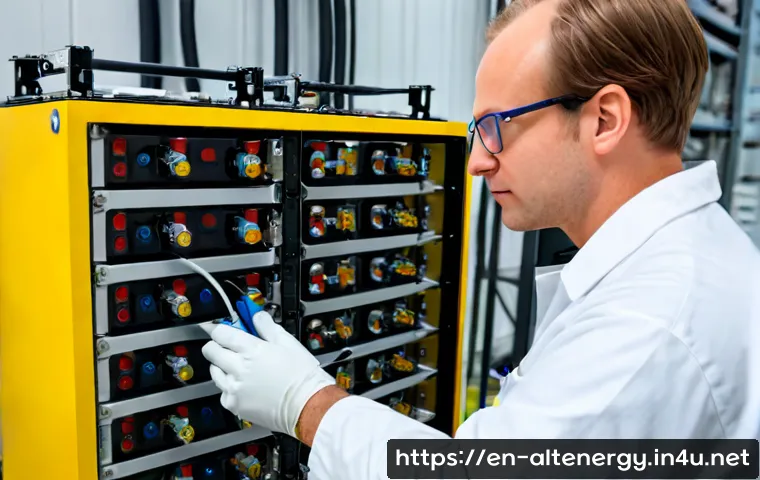
For most homes and businesses, the best option is not a single technology but a system matched to local sunlight or wind, electricity-use patterns, utility rules, and resilience needs.
Solar PV and battery storage are commonly evaluated for on-site electricity and backup planning, while commercial wind procurement, geothermal, and green hydrogen usually require more location-specific review.
This is why comparing renewable energy equipment, installation scope, and energy-management capabilities matters before choosing a provider. A professional solar, storage, or commercial energy quote can be useful once the site and load priorities are clear.
At a Glance
- Solar PV converts sunlight into electricity, but output depends on panel design, shading, orientation, weather, and inverter performance.
- Battery storage can shift electricity use to another time period and may support backup power when suitable equipment is included.
- Smart inverters and grid-management software help manage variable solar and wind generation, but local utility requirements still matter.
| Technology path | Typical use case | Technical maturity | Key site requirement | Quote complexity |
|---|---|---|---|---|
| Solar PV | On-site electricity for homes and facilities | Widely used | Suitable roof or land, low shading, viable orientation | Moderate: equipment, installation, permits, and interconnection |
| Battery storage | Load shifting and potential backup power | Widely evaluated with solar | Load priorities and compatible backup equipment | Moderate to high: capacity, controls, safety, and utility rules |
| Wind power | Utility-scale generation or power-purchase arrangements | Established, site dependent | Wind resource, land, tower conditions, and grid access | High: resource review, permitting, interconnection, and contracts |
| Geothermal and green hydrogen | Specialized steady energy or low-carbon fuel applications | Location and project dependent | Suitable geothermal resource or low-carbon electricity supply | High: technical feasibility and infrastructure requirements |
The Short Answer: Where Clean-Energy Technology Is Improving Fastest
The most useful progress is happening across conversion, control, and storage. Higher-performing solar panel designs, larger wind rotors, improved blade design, digital turbine controls, smart inverters, and energy-management platforms can work together rather than acting as separate upgrades. The practical result is better ability to generate, monitor, and time electricity use.
Better Conversion, Control, and Storage—Not One Breakthrough Alone
Solar photovoltaic systems use semiconductor materials to convert sunlight into electricity. Their real output is shaped by the full
Wind technology follows a similar pattern. Modern turbines generally produce more electricity through larger rotors, taller towers, improved blades, and digital controls. That does not mean wind is automatically a fit for every property. Wind conditions, permitting, land availability, and grid access are central to the decision.
Storage adds another layer. A battery does not create electricity; it can move electricity use from one time period to another. With suitable equipment, it may also support selected backup loads during an outage. This makes battery storage comparisons especially relevant for homeowners considering solar storage, facilities with critical loads, and organizations reviewing EV charging alongside on-site generation.
Why Local Grid Conditions Still Shape the Real-World Result
Technology improvements do not remove local constraints. Grid interconnection rules, electricity tariffs, permitting, financing, maintenance, and available resource conditions can change the value of the same equipment from one location to another. Before treating a proposal as a simple equipment purchase, ask how the design works with the local utility and how exported or stored electricity is handled.
Comparing Today’s Main Technology Paths
Solar PV, Smart Inverters, and Rooftop System Design
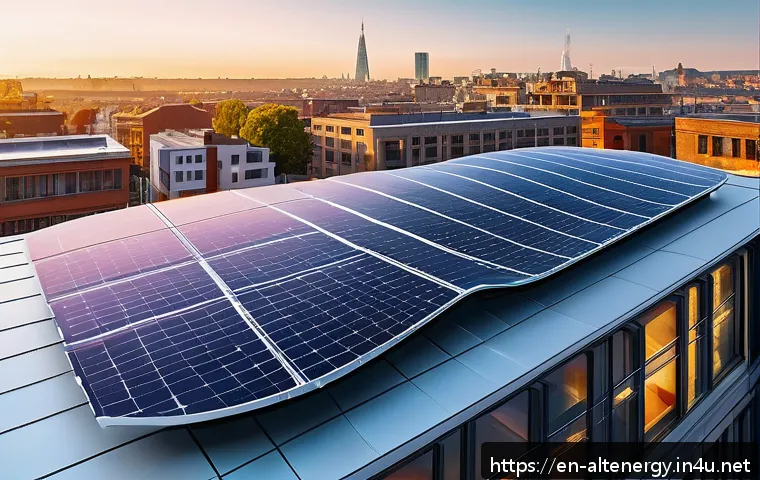
Solar PV is often the first technology considered because it can be installed close to where electricity is used. A strong system design looks beyond panel count. It considers shading across the day, roof or land conditions, orientation, inverter performance, safety requirements, and the path to utility interconnection.
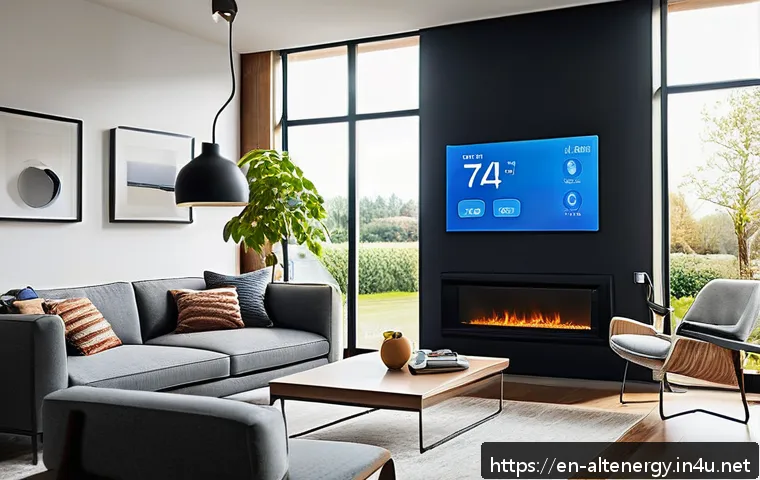
Smart inverters can help manage changing solar output and support grid balancing functions. For a homeowner, this may be part of a solar-plus-storage conversation. For a facility manager, it can be one component of a broader energy-management platform that tracks generation, consumption, and demand patterns.
Wind Power, Larger Turbines, and Power-Purchase Options
Wind power can be important where the resource, land, and grid connection support it. Larger turbines and taller towers are part of why modern wind projects can produce more electricity, but the technology should be evaluated at the appropriate scale. A small property should not assume it has the same economics or permitting path as a large wind project.
Organizations that do not plan to own wind equipment may instead examine power-purchase options. These arrangements still deserve careful review: electricity delivery terms, grid access, contract structure, and operational responsibilities can matter as much as the turbine technology itself.
Batteries, Thermal Storage, and Backup-Power Value
Battery energy storage is useful when timing matters. It can shift electricity use between periods and, when paired with suitable equipment, support backup power. The right question is not simply “How large is the battery?” It is “Which loads matter, when do they matter, and what equipment is required to support them?”
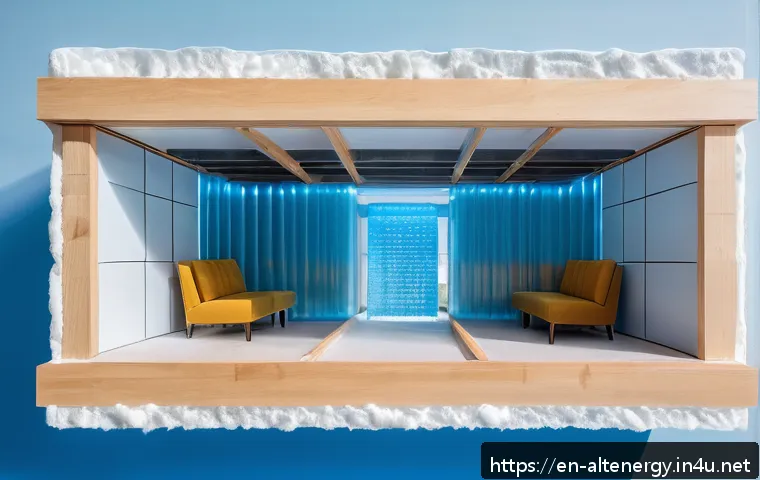
Thermal storage may also be relevant where heating or cooling loads are important. Its role should be evaluated alongside efficiency upgrades, building controls, and electrification plans rather than as an isolated purchase.
Hydrogen and Geothermal: Promising Applications With Higher Site Dependence
Green hydrogen is commonly discussed as an energy carrier when hydrogen is produced using electricity from low-carbon sources. It is not a direct substitute for a rooftop solar system, and its usefulness depends on the surrounding energy and infrastructure context.
Geothermal systems can provide steady energy in suitable locations. However, resource availability and project complexity vary substantially by site. A feasibility assessment is particularly important before treating geothermal as a standard, interchangeable upgrade.
What Technical Progress Means for Cost and Value
Equipment Price Versus Installed Project Cost
A low equipment price does not necessarily represent a low project cost. Compare the complete scope: equipment, design, installation, permitting, interconnection, monitoring, maintenance expectations, and any required electrical or structural work. For commercial solar quotes, also identify whether controls, energy-management software, and commissioning are included.
Output, Reliability, Maintenance, and Warranty Comparisons
Compare expected operating assumptions carefully. A proposal should make it easier to understand the relationship between site conditions and projected output. Review warranty terms, maintenance responsibilities, inverter or control-system coverage, and monitoring access. Future performance and warranty outcomes cannot be guaranteed, so written scope and exclusions deserve attention.
When an Energy Audit or Professional Feasibility Assessment Can Be Worth the Cost

An energy audit or professional feasibility assessment can be worthwhile when loads are complex, outages are costly, a site has major shading or land constraints, or a business is considering batteries, EV charging, electrification, and on-site generation together. The purpose is not to force a technology choice. It is to clarify electricity use, demand peaks, site limits, and available implementation paths before requesting detailed proposals.
Implementation Steps and Common Planning Mistakes
Start With Energy Use, Demand Peaks, and Load Priorities
Start with how and when electricity is used. A home may prioritize essential backup loads. A small business may focus on daytime operations and operating expenses. A larger organization may need resilience for critical systems, emissions planning, or a long-term power strategy. Load priorities should guide generation and storage sizing.
Check Roof, Land, Permitting, Interconnection, and Safety Requirements
Before selecting equipment, check the physical and administrative conditions. Review roof or land suitability, shading, local permitting, electrical safety requirements, and the utility interconnection process. These details can affect project timing, scope, and whether a proposed design is practical.
Avoid Sizing Generation or Batteries Without Utility-Rate Analysis
One common mistake is choosing solar capacity or battery storage capacity before understanding the electricity tariff and usage pattern. The value of shifting or storing electricity depends on when it is used and how the utility structure applies. A system that looks attractive on an equipment sheet may need a different design once rate details and load timing are reviewed.
Which Option Fits Different Energy Needs?
Homes Seeking Lower Bills and Outage Preparedness
For many homes, the starting point is efficiency, followed by a review of solar PV site conditions. Battery storage becomes more relevant when backup power or shifting electricity use is a priority. Ask which circuits or appliances are intended to receive backup support and confirm that the proposed equipment is designed for that purpose.
Small Businesses Managing Daytime Loads and Operating Expenses
Small businesses with substantial daytime electricity use may compare commercial solar with energy-management controls and, where appropriate, battery storage. The key is matching generation to operating patterns rather than assuming the largest system is best. EV charging may also be part of the review if it changes on-site demand patterns.
Larger Organizations Pursuing Resilience, Emissions Goals, or Long-Term Power Contracts
Larger organizations may need a portfolio approach: on-site solar, storage for selected critical loads, grid-management software, electrification planning, or power-purchase options. Wind procurement, geothermal, and hydrogen-related pathways may be relevant, but they require more site-specific and contractual review.
Selection Criteria and Comparison Summary
Before choosing a renewable energy provider or energy-service proposal, compare site suitability, electricity-use timing, storage capacity, warranty terms, installation scope, maintenance responsibilities, utility requirements, and financing structure. Confirm what is included in the quote and what requires a separate contractor, permit, or utility approval. Compare multiple installation or energy-service proposals using the same load assumptions and project scope. For official product details and utility conditions, review the relevant provider and utility pages directly.
In Closing
Renewable energy technology is becoming more capable through better generation equipment, storage, digital controls, and system integration. The practical choice still depends on the site, the grid, and the way electricity is used. Start with energy needs and constraints, then compare solutions on a complete installed-project basis. A clear scope is more useful than a headline equipment specification.
Useful Things to Know
1. Solar output is affected by shading, orientation, weather, panel design, and inverter performance.
2. Battery storage can shift electricity use and may support backup power with suitable equipment.
3. Wind, geothermal, and hydrogen applications require more location-specific evaluation.
4. Grid interconnection and electricity tariffs can materially affect a project’s operating value.
Important Considerations
Installed price, payback period, incentives, tax treatment, electricity savings, supplier availability, and future equipment performance must be confirmed for the individual property or organization. No renewable technology is automatically the lowest-cost option in every utility territory. Environmental effects also require project-specific review of materials, supply chains, land use, grid mix, and end-of-life planning.
Frequently Asked Questions
Q1. Which renewable energy technology is the most practical for a home?
A1. Solar PV is often evaluated first for homes with suitable roof or land conditions, but practicality depends on shading, orientation, weather, utility rules, electricity use, and installation requirements. Battery storage may be considered when backup power or electricity-use shifting is important.
Q2. Is battery storage worth adding to a solar system?
A2. Battery storage can be useful for shifting electricity use and may support backup power when paired with suitable equipment. Its value depends on load priorities, utility tariffs, system design, installation scope, and local requirements, so it should be compared as part of the full solar-storage proposal.
Q3. What should a business compare before requesting commercial renewable-energy quotes?
A3. Compare electricity-use patterns, demand peaks, site conditions, interconnection requirements, equipment and installation scope, monitoring tools, maintenance responsibilities, warranty terms, storage needs, and financing structure. Request proposals based on the same assumptions so the comparison is meaningful.