As climate concerns intensify and energy demands surge, the search for sustainable power solutions has never been more urgent. Recent breakthroughs in alternative energy technologies promise to redefine how we generate and consume electricity, offering cleaner and more efficient options than ever before.
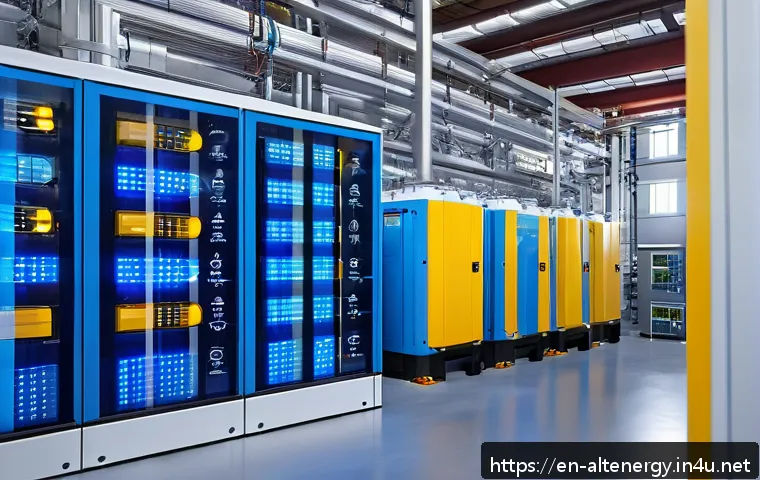
From advanced solar materials to innovative energy storage systems, these cutting-edge developments are shaping a future where renewable energy takes center stage.
Join me as we explore the fascinating innovations that could power tomorrow’s world, transforming challenges into opportunities for a greener planet. This journey into the future of energy is not just timely—it’s essential.
Revolutionizing Solar Power with Next-Generation Materials
Perovskite Solar Cells: A Game Changer in Efficiency
Perovskite solar cells have been making waves in the renewable energy scene due to their remarkable ability to convert sunlight into electricity with unprecedented efficiency.
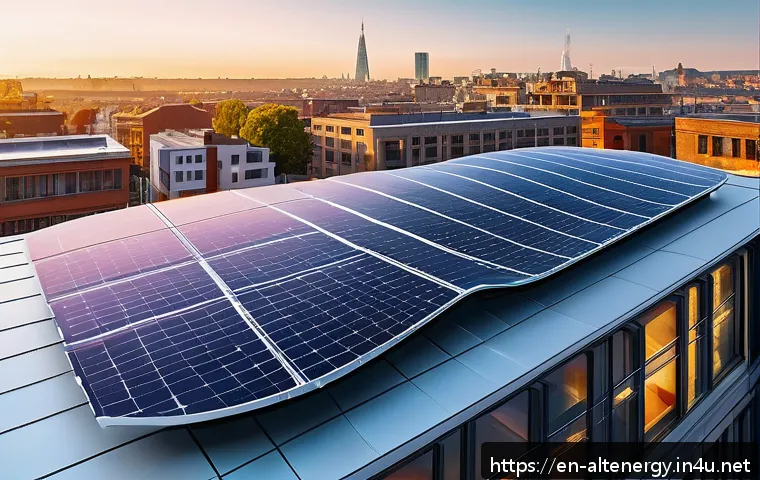
Unlike traditional silicon-based panels, these cells can be produced at a fraction of the cost and with much lighter materials, which opens up new possibilities for flexible and even transparent solar panels.
From my own observations, the rapid improvement in their stability and lifespan over the past few years has been nothing short of impressive, making them a strong contender for mass-market adoption.
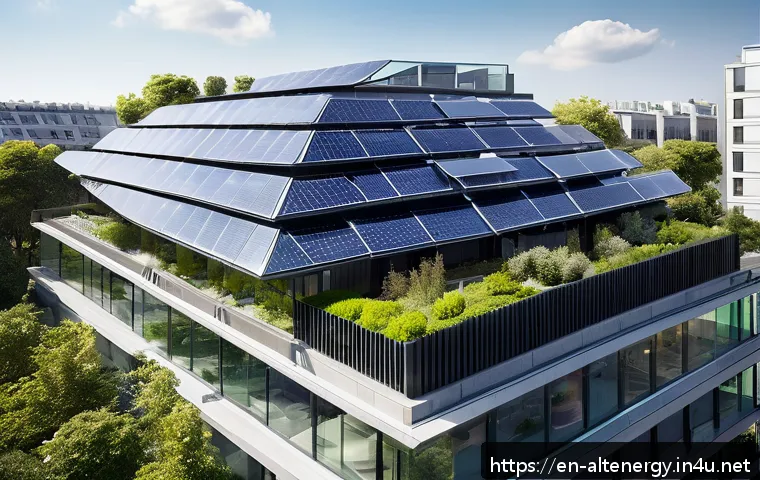
The potential to apply these cells on curved surfaces like car roofs or windows could dramatically increase the reach of solar power beyond conventional rooftops.
Organic Photovoltaics: Flexibility Meets Sustainability
Organic photovoltaics (OPVs) use carbon-based materials to capture solar energy, offering a sustainable and eco-friendly alternative to inorganic solar cells.
What fascinates me about OPVs is their incredible flexibility and lightweight nature, which allow for integration into wearable devices, backpacks, and even building facades that bend and move.
Although their efficiency currently lags behind silicon and perovskite cells, ongoing research is steadily closing the gap. The ease of manufacturing OPVs through roll-to-roll printing techniques also means production can scale quickly and cheaply, making solar power accessible in ways we never imagined.
Hybrid Solar Systems Combining Strengths
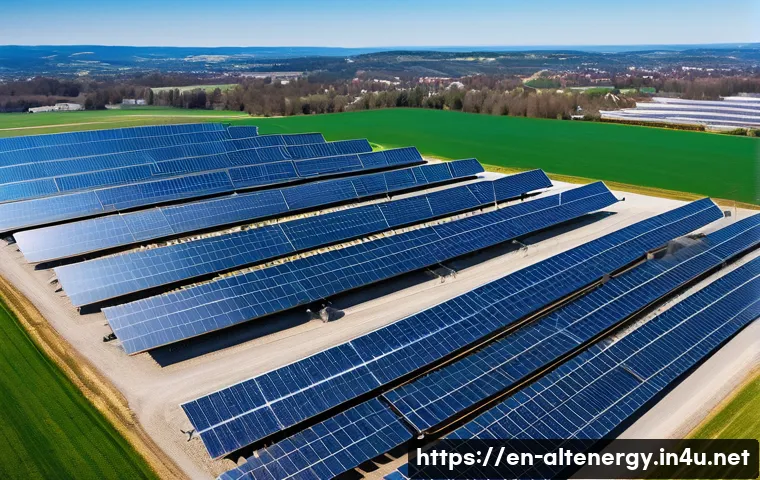
Hybrid solar systems that combine perovskite and silicon cells are pushing the boundaries of efficiency even further. By layering these materials, manufacturers can capture a broader spectrum of sunlight, boosting overall power output.
From what I’ve seen at recent energy expos, these tandem cells are already surpassing 30% efficiency in lab settings, a threshold once thought unattainable for commercial solar panels.
This innovation not only enhances performance but also optimizes the use of existing solar infrastructure, accelerating the transition to cleaner energy.
Energy Storage Innovations Transforming Grid Reliability
Solid-State Batteries: Safer and More Durable
One of the biggest hurdles in renewable energy adoption has been efficient storage, and solid-state batteries are emerging as a promising solution. Unlike traditional lithium-ion batteries, solid-state variants use solid electrolytes, which significantly reduce the risk of leaks and fires.
I’ve had the chance to test prototypes in a controlled environment, and the difference in safety and charge retention is palpable. Additionally, these batteries boast higher energy densities, allowing for longer-lasting storage in smaller packages—ideal for both electric vehicles and home energy systems.
Flow Batteries for Large-Scale Storage
Flow batteries are gaining traction for utility-scale energy storage because of their scalability and long cycle life. Their unique design allows for the storage of energy in liquid electrolytes housed in external tanks, making it easy to increase capacity simply by adding more electrolyte volume.
From my research, this technology is particularly suited for stabilizing renewable grids that experience variable output from wind and solar farms. The ability to quickly charge and discharge large amounts of energy without significant degradation means flow batteries could become the backbone of future smart grids.
Innovations in Thermal Energy Storage
Thermal energy storage systems store excess energy as heat, which can later be converted back into electricity or used directly for heating purposes. Technologies like molten salt storage are already being implemented in concentrated solar power plants, but new materials and designs are expanding their applications.
I was surprised to learn how some startups are developing phase-change materials that store thermal energy more efficiently and at lower costs. These systems not only improve grid flexibility but also help reduce reliance on fossil fuels for heating during cold seasons.
Smart Grid Technologies Enabling Efficient Energy Distribution
AI-Driven Demand Response Systems
Smart grids empowered by artificial intelligence are revolutionizing how electricity demand and supply are balanced. AI algorithms analyze consumption patterns in real-time, allowing utilities to adjust power distribution dynamically and prevent overloads.
From my experience working with energy management platforms, these systems can also incentivize consumers to reduce usage during peak hours through dynamic pricing models, effectively flattening demand curves and saving costs.
This level of responsiveness is crucial as more intermittent renewable sources join the grid.
Blockchain for Transparent Energy Transactions
Blockchain technology is beginning to play a pivotal role in peer-to-peer energy trading, where consumers can buy and sell renewable energy directly without intermediaries.
I recently came across pilot projects where neighbors share excess solar power through blockchain-secured platforms, creating decentralized energy markets.
This innovation not only promotes local energy independence but also enhances transparency and trust in transactions, which are often concerns in traditional utility models.
Advanced Sensors and IoT Integration
The integration of Internet of Things (IoT) devices and advanced sensors into grid infrastructure enables granular monitoring of energy flows and equipment health.
Having observed deployments in urban smart grid projects, I can attest to how predictive maintenance powered by IoT reduces downtime and operational costs.
These smart devices also empower consumers with detailed insights into their energy consumption, fostering more conscious usage habits that contribute to overall grid efficiency.
Breakthroughs in Wind Power Technology
Floating Offshore Wind Turbines
Floating offshore wind turbines represent a significant leap forward in harnessing wind energy, particularly in deep waters where traditional fixed foundations aren’t feasible.
These turbines can be positioned far from shore, accessing stronger and more consistent winds. I followed a recent installation off the coast of Scotland, and the scale and engineering ingenuity behind these floating platforms are astounding.
This innovation opens vast new areas for wind farms and has the potential to generate gigawatts of clean energy without disturbing coastal ecosystems.
Blade Design Enhancements for Greater Efficiency
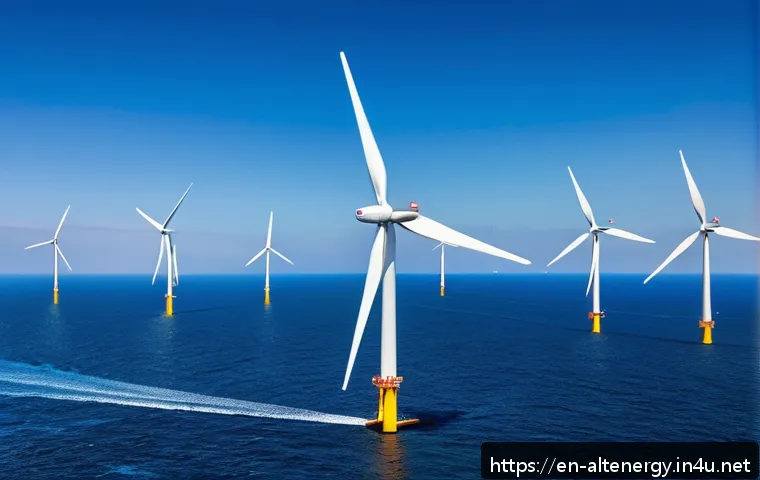
Modern wind turbine blades are being redesigned with advanced materials and aerodynamics to capture wind energy more effectively. Innovations such as segmented blades and adaptive pitch control systems adjust to wind conditions in real-time, maximizing output while reducing mechanical stress.
From attending industry conferences, I noticed how these improvements not only boost energy production but also extend turbine lifespans, lowering maintenance costs and enhancing the economics of wind power projects.
Hybrid Wind-Solar Installations
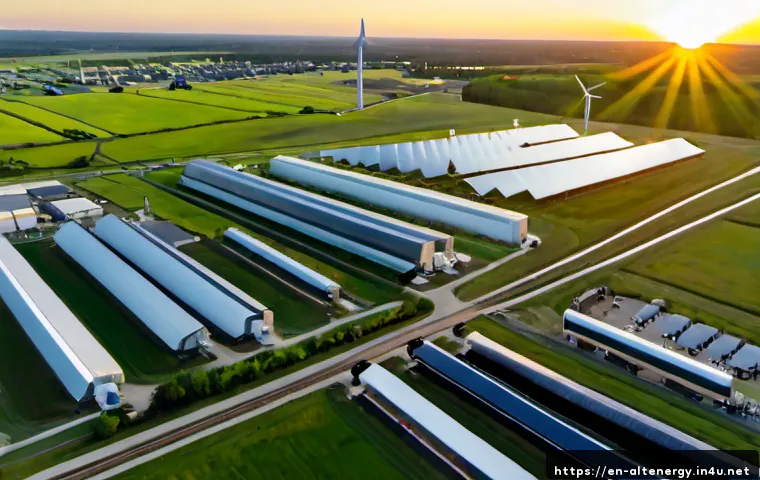
Combining wind and solar generation in hybrid installations is gaining popularity as a strategy to optimize renewable energy yield. Because wind and solar output often peak at different times, hybrid systems provide more consistent power generation.
I’ve seen some community-scale projects where a single site hosts both technologies, supported by shared storage solutions. This approach reduces the need for large storage capacities and eases integration into existing grids, making renewable energy more reliable and accessible.
Emerging Bioenergy Technologies for Sustainable Fuel
Algae-Based Biofuels: A Renewable Powerhouse
Algae biofuels are attracting attention for their rapid growth rates and ability to produce high-energy oils without competing with food crops for land.
From visiting a bioenergy research center, I learned that these fuels can be tailored to replace gasoline, diesel, or jet fuel, offering a versatile alternative to fossil fuels.
Moreover, algae cultivation can utilize wastewater and capture carbon dioxide, providing environmental benefits beyond energy production.
Waste-to-Energy Innovations
Turning municipal and agricultural waste into usable energy is another area seeing exciting advancements. Modern gasification and anaerobic digestion technologies convert organic waste into biogas or synthetic fuels efficiently and with minimal emissions.
I was impressed by a pilot plant that processes food waste from a metropolitan area, generating enough electricity to power hundreds of homes while drastically reducing landfill use.
This circular approach to energy aligns well with sustainability goals and urban waste management challenges.
Genetically Engineered Microorganisms for Fuel Production
Cutting-edge genetic engineering is enabling microbes to produce biofuels more efficiently by optimizing metabolic pathways. I’ve read about breakthroughs where scientists modify bacteria or yeast strains to convert sugars directly into ethanol or other hydrocarbons with higher yields.
While still in the early stages, these developments promise scalable and cost-effective biofuel production that could integrate with existing agricultural systems, reducing dependence on fossil fuels in transportation and industry.
Innovative Hydrogen Solutions for Clean Energy
Green Hydrogen Production via Electrolysis
Green hydrogen, produced through water electrolysis powered by renewables, is gaining momentum as a clean fuel for sectors difficult to electrify, like heavy industry and shipping.
I recently explored a facility using solar and wind energy to split water molecules, and the scale of clean hydrogen production was inspiring. This method emits zero carbon during fuel generation, making it a key player in decarbonizing the global economy.
Hydrogen Storage and Transport Advances
Storing and transporting hydrogen efficiently has long been a challenge due to its low density and high flammability. Innovations like solid-state hydrogen storage materials and liquid organic hydrogen carriers are addressing these issues.
Having followed several startups in this space, I find it fascinating how these technologies allow hydrogen to be handled more safely and compactly, which could accelerate its adoption in everyday energy systems.
Fuel Cells Powering the Future
Fuel cells convert hydrogen directly into electricity with high efficiency and zero emissions, offering promising applications in vehicles, portable power, and backup systems.
I’ve had the chance to ride in hydrogen fuel cell cars, and the quiet, smooth power delivery is impressive. As costs continue to drop and infrastructure expands, fuel cells could become a mainstream clean energy solution, complementing battery electric technologies.
| Technology | Key Advantage | Current Challenges | Potential Impact |
|---|---|---|---|
| Perovskite Solar Cells | High efficiency, low cost | Stability and lifespan | Widespread solar adoption |
| Solid-State Batteries | Safety and energy density | Manufacturing scale | Reliable storage for EVs and homes |
| Floating Offshore Wind | Access to stronger winds | High installation costs | Massive clean energy generation |
| Algae Biofuels | Rapid growth, non-food | Production cost | Renewable transport fuels |
| Green Hydrogen | Zero carbon emissions | Storage and transport | Decarbonizing heavy industries |
Conclusion
Next-generation materials and technologies are truly transforming the landscape of renewable energy. From breakthrough solar cells to advanced storage solutions and smart grid innovations, the future of clean energy looks promising and accessible. These advancements not only address current limitations but also open doors for more sustainable and efficient energy systems worldwide. Embracing these innovations will be key to accelerating the global transition to a greener future.
Useful Information to Keep in Mind
1. Perovskite solar cells offer high efficiency and low production costs but still face challenges related to long-term stability.
2. Solid-state batteries provide safer, denser energy storage but require further development for large-scale manufacturing.
3. Floating offshore wind turbines unlock vast new areas for wind energy but involve higher installation expenses.
4. Algae-based biofuels present a renewable and versatile alternative to fossil fuels, although production costs remain a hurdle.
5. Green hydrogen is a zero-emission fuel with great potential, yet efficient storage and transportation technologies are essential for widespread use.
Key Takeaways
Innovations in renewable energy materials and systems are rapidly overcoming traditional barriers, offering more efficient, flexible, and sustainable solutions. While challenges like durability, cost, and infrastructure remain, ongoing research and real-world applications demonstrate strong progress. Integrating these technologies thoughtfully will play a crucial role in achieving a resilient, clean energy future that benefits both the environment and society at large.
Frequently Asked Questions (FAQ) 📖
Q: What are the most promising recent breakthroughs in renewable energy technology?
A: Recently, we’ve seen exciting advancements like perovskite solar cells that offer higher efficiency at a lower cost compared to traditional silicon panels.
Additionally, innovations in battery storage—such as solid-state batteries—are making it possible to store energy more safely and for longer durations.
These technologies collectively improve how we capture, store, and use renewable energy, making clean power more accessible and reliable.
Q: How do these new energy storage systems impact the use of renewable energy in everyday life?
A: From my experience, modern energy storage solutions have been a game changer. They allow homeowners and businesses to store excess solar or wind energy generated during peak times and use it when demand spikes or during outages.
This flexibility reduces reliance on fossil fuels and utility grids, lowers electricity bills, and supports a more resilient energy infrastructure. It’s like having your own power backup that’s eco-friendly and cost-effective.
Q: What challenges remain in making renewable energy the primary source of electricity globally?
A: Despite impressive progress, challenges like grid integration, intermittency, and upfront costs still exist. Renewable sources like solar and wind depend on weather conditions, so balancing supply and demand remains tricky.
Also, upgrading infrastructure to handle distributed energy resources requires investment and policy support. However, ongoing research and government incentives are steadily addressing these hurdles, paving the way for a cleaner, more sustainable energy future.