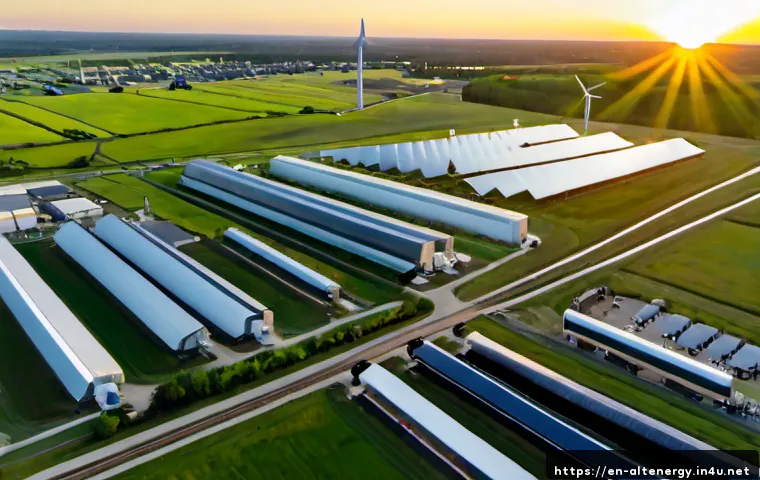
The urgent need to address climate change has pushed alternative energy sources into the spotlight like never before. With rising global temperatures and unpredictable weather patterns, relying on fossil fuels is becoming increasingly unsustainable.
Renewable energy options such as solar, wind, and hydroelectric power offer promising solutions to reduce carbon footprints and protect our planet. Many communities and industries are already experiencing the benefits of cleaner, greener energy.
Understanding how these technologies work and their impact on the environment is crucial for making informed choices. Let’s dive deeper and explore the facts behind alternative energy and the climate crisis!
Understanding the Mechanics Behind Renewable Technologies
How Solar Panels Convert Sunlight Into Energy
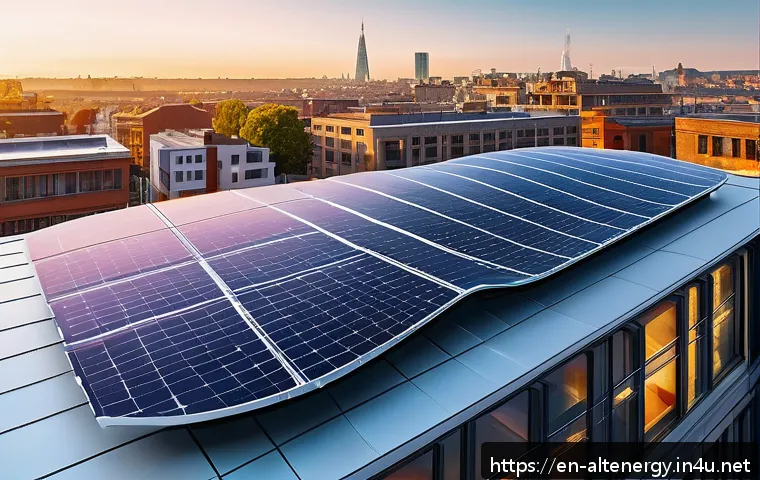
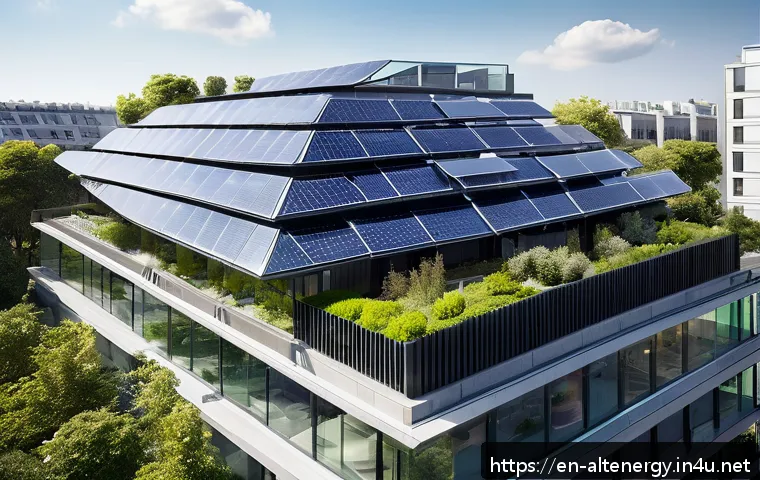
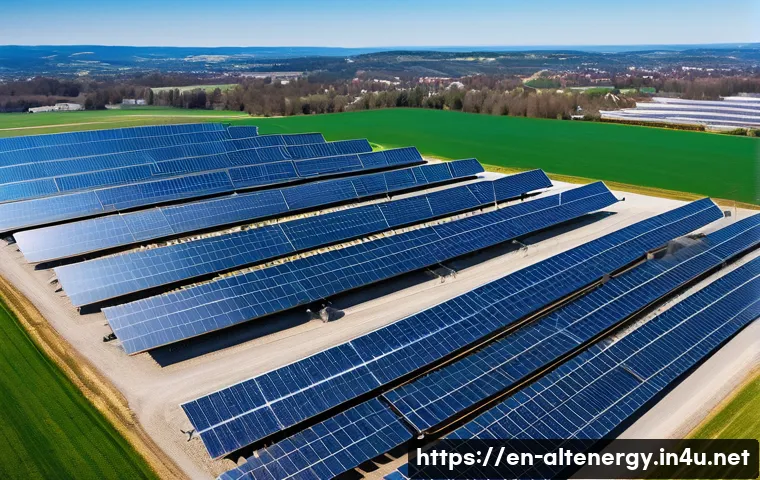
Solar panels have become a common sight on rooftops and solar farms, but the science behind them is fascinating. Essentially, solar cells are made of semiconductor materials, usually silicon, which absorb photons from sunlight.
When these photons hit the silicon, they knock electrons loose, creating an electric current. This process, known as the photovoltaic effect, allows the conversion of sunlight directly into usable electricity.
From my experience, the efficiency of these panels depends heavily on their placement and exposure to direct sunlight. For example, panels angled correctly in sunny climates can generate power almost all day, whereas shaded or improperly oriented panels underperform significantly.
The Mechanics of Wind Turbines: Harnessing Air Currents
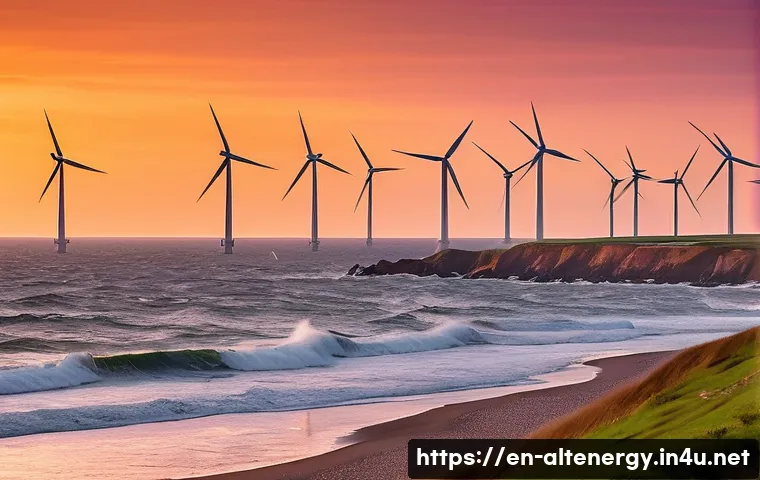
Wind turbines capture the kinetic energy of moving air and transform it into electrical energy. The large blades spin when wind passes over them, turning a rotor connected to a generator inside the turbine.
The faster the wind blows, the more energy is produced. I’ve witnessed how communities near coastal or open plains, where wind speeds are consistently high, benefit the most from this technology.
However, wind turbines require specific conditions — too little wind means little power, and too much can force shutdowns to prevent damage. This variability means integrating wind energy into a grid requires smart balancing and backup systems.
The Role of Hydroelectric Dams in Energy Production
Hydroelectric power leverages the force of flowing water, typically from dams, to generate electricity. Water stored at height is released, flowing through turbines that spin generators.
It’s a highly efficient and reliable energy source that has powered many regions for decades. However, building dams can disrupt local ecosystems and communities, which makes it a trade-off between clean energy and environmental impact.
On a personal note, visiting hydroelectric plants showed me how crucial careful planning and environmental assessments are to minimize negative effects while maximizing energy output.
Assessing the Environmental Footprint of Green Energy
Carbon Emissions Saved by Switching to Renewables
One of the most compelling reasons to adopt renewable energy is its potential to drastically cut carbon emissions. Unlike coal or natural gas plants, solar, wind, and hydroelectric systems emit little to no greenhouse gases during operation.
Over time, this reduction can slow global warming and improve air quality. When I switched part of my home’s energy consumption to solar, I noticed not only a drop in my electricity bills but also a personal satisfaction knowing I was contributing less to pollution.
Communities adopting renewables on a larger scale often report measurable drops in local air pollutants, translating into better public health outcomes.
Resource Use and Waste Considerations
While renewable technologies are cleaner during operation, their manufacturing and disposal have environmental impacts. Solar panels require materials like silicon, silver, and rare earth metals, which must be mined and processed.
Wind turbines involve large amounts of steel and concrete, and end-of-life disposal or recycling can be challenging. Hydroelectric dams can alter water ecosystems.
From my research and conversations with industry experts, the key lies in improving manufacturing processes and recycling methods to reduce these impacts.
Innovations like recycling solar panels and repurposing turbine blades are promising steps forward.
Balancing Energy Production With Wildlife Protection
Renewable installations can sometimes interfere with wildlife habitats. For instance, wind turbines have been criticized for bird and bat collisions, while hydroelectric dams can block fish migration routes.
I’ve read about projects incorporating bird-safe turbine designs and fish ladders at dams to mitigate these issues. It’s encouraging to see that technology and environmental science are collaborating to find solutions that protect biodiversity while still providing clean energy.
Economic and Social Benefits of Renewable Energy Adoption
Job Creation and Local Economic Growth
Renewable energy industries have become significant job creators worldwide. From manufacturing and installation to maintenance and research, these sectors offer diverse employment opportunities.
When I visited a solar panel factory, it was clear that the jobs ranged from engineers to assembly line workers, providing broad economic benefits. Moreover, communities investing in renewables often see increased local revenue through taxes and infrastructure development, spurring further growth.
Energy Independence and Stability
Relying on renewable resources can reduce dependence on imported fuels, enhancing national energy security. Countries rich in sunlight, wind, or water resources can generate much of their energy locally, insulating themselves from global market volatility.
I’ve noticed this firsthand when natural gas prices spiked, yet homes powered by solar arrays experienced no change in costs, offering a degree of financial predictability and peace of mind.
Improving Access to Electricity in Remote Areas
Renewables provide unique opportunities to electrify remote or underserved regions where extending traditional grids is costly. Solar microgrids and small wind turbines can bring power to villages and off-grid communities.
During a trip to a rural area, I saw how solar-powered lighting and refrigeration transformed daily life, improving education and healthcare outcomes.
This decentralized energy model is empowering people and fostering sustainable development.
Challenges and Limitations in Scaling Up Clean Energy
Intermittency and Energy Storage Solutions
One of the biggest hurdles with renewables like solar and wind is their intermittent nature — they only produce power when the sun shines or wind blows.
This variability can create challenges for grid stability. From what I’ve observed, energy storage systems like lithium-ion batteries are becoming essential to store excess power and release it when demand peaks.
However, current battery technologies still face issues like high costs and limited lifespans, making large-scale storage a hot area for innovation.
Infrastructure and Grid Integration
Transitioning to renewables requires significant upgrades to existing electrical grids. These grids must handle distributed energy sources and fluctuating inputs while maintaining reliability.
In some regions, outdated infrastructure slows adoption. I remember reading about smart grid projects that use advanced sensors and AI to better predict energy flows and adjust supply dynamically, which seem promising for future-proofing the grid.
Financial Barriers and Policy Support
Despite falling costs, the initial investment for renewable projects can be substantial. Securing financing and navigating regulatory environments can be complicated.
From my experience following the industry, supportive government policies such as tax incentives, subsidies, and streamlined permitting processes are crucial to drive adoption.
Without clear policy frameworks, many promising projects struggle to get off the ground.
Comparing Key Renewable Energy Sources
Efficiency, Cost, and Environmental Impact Overview
Evaluating renewable options requires understanding their strengths and weaknesses. Solar panels have become more affordable and efficient but depend on sunlight availability.
Wind turbines generate large amounts of energy in windy areas but face siting challenges. Hydroelectric power is reliable but limited by geography and ecological concerns.
The choice often depends on local conditions and priorities.
| Energy Source | Average Efficiency | Typical Cost (per kWh) | Environmental Impact | Best Locations |
|---|---|---|---|---|
| Solar | 15-22% | $0.03 – $0.06 | Low emissions, material use concerns | Sunny regions, rooftops |
| Wind | 35-45% | $0.02 – $0.05 | Bird/bat risks, noise | Coastal, plains, offshore |
| Hydroelectric | 35-45% | $0.01 – $0.05 | Habitat disruption, water flow changes | Rivers, mountainous areas |
Community Acceptance and Adaptation
Public opinion can influence renewable deployment. Some communities embrace solar panels enthusiastically, while others resist wind turbines due to aesthetic or noise concerns.
From local meetings I attended, effective communication about benefits and addressing concerns upfront helps smooth adoption. Tailoring projects to community needs and involving residents in planning are key to long-term success.
Innovations Driving the Future of Green Energy
Advancements in Battery and Storage Technologies
Battery technology is rapidly evolving, with new chemistries promising higher capacity, longer life, and lower costs. Solid-state batteries and flow batteries are exciting developments that could revolutionize energy storage.
I recently read about pilot projects testing these technologies in real-world settings, which could enable renewables to supply power 24/7 reliably.
Emerging Renewable Sources on the Horizon
Beyond the big three, other renewable sources like tidal, geothermal, and biomass are gaining attention. While they currently represent smaller shares of global energy, their unique advantages could complement solar and wind.
For instance, geothermal provides constant base-load power, which is invaluable. Exploring these alternatives broadens the toolkit for a sustainable energy future.
Smart Grids and AI Integration
Integrating artificial intelligence into energy management allows for more efficient distribution and demand response. Smart grids can predict consumption patterns and optimize energy flows in real-time.
From my conversations with energy experts, these technologies will be vital to managing complex renewable energy networks as they expand, ensuring reliability and cost-effectiveness.
Practical Tips for Individuals Supporting Clean Energy
Choosing Renewable Energy Providers
Many utility companies now offer green energy plans sourced from renewables. Switching to these can reduce your carbon footprint without installing equipment yourself.
When I switched providers, the process was straightforward and helped me feel more connected to the clean energy movement.
Investing in Home Renewable Systems
Installing solar panels or small wind turbines at home can be a smart long-term investment. Incentives and rebates often offset upfront costs. Based on my experience, thorough research and consulting with reputable installers are critical to avoid common pitfalls and maximize savings.
Energy Conservation and Efficiency
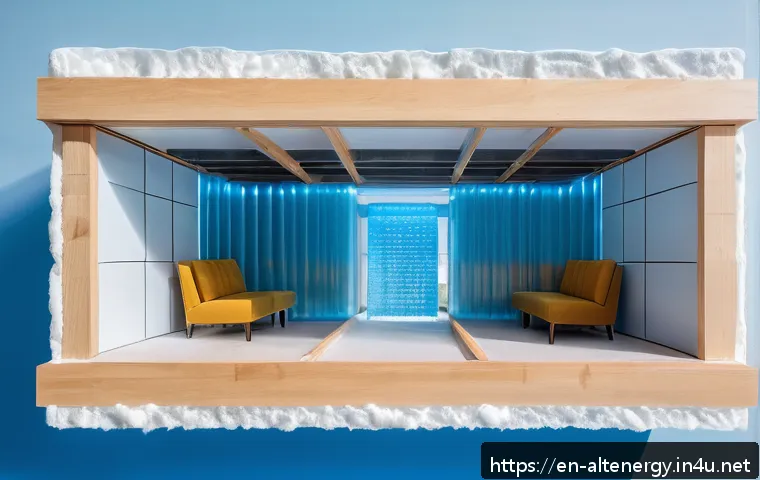
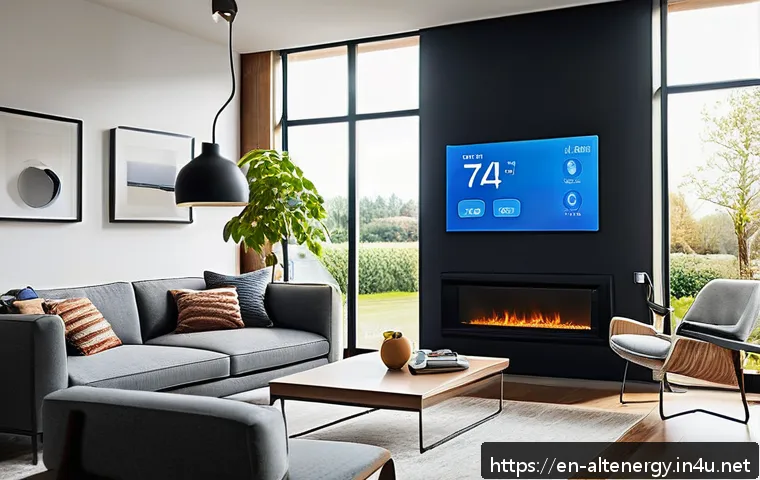
Supporting renewables also means reducing energy consumption overall. Simple steps like upgrading to LED lighting, using energy-efficient appliances, and improving insulation can reduce the amount of power needed.
This makes the renewable energy you use go further and saves money in the long run.
The Role of Policy in Accelerating Renewable Growth
Government Incentives and Subsidies
Policies like tax credits, feed-in tariffs, and grants have been instrumental in lowering costs and encouraging adoption. I’ve tracked how countries with aggressive renewable targets often pair them with strong incentives, which create a favorable market environment.
Regulatory Frameworks and Grid Access
Clear regulations governing grid interconnection, land use, and environmental standards help streamline project development. From conversations with developers, uncertainties or delays in permitting processes can be major barriers, so improving these frameworks is a priority.
International Cooperation and Climate Goals
Global climate agreements and shared technology initiatives accelerate knowledge transfer and funding for renewables worldwide. I’ve seen how collaboration between countries fosters innovation and scales up clean energy projects faster than isolated efforts could.
Community-Led Renewable Energy Initiatives
Empowering Local Ownership and Decision-Making
Community solar projects and cooperatives allow residents to collectively invest in and benefit from renewable energy. This model increases acceptance and spreads economic gains locally.
I know a town where community ownership has boosted local pride and created jobs, proving the power of grassroots involvement.
Educational Programs and Awareness Campaigns
Raising public awareness about renewable benefits and practical steps fosters support. Schools and nonprofits play a key role in teaching younger generations about sustainability.
I’ve participated in workshops where hands-on demonstrations helped demystify renewable technologies and inspired action.
Overcoming Social and Cultural Barriers
Sometimes traditions or misinformation slow adoption. Successful initiatives listen carefully to community concerns and tailor messaging accordingly. From what I’ve seen, patience and respect go a long way toward building trust and encouraging long-term change.
Conclusion
Renewable energy technologies offer a promising path toward a cleaner and more sustainable future. Through understanding their mechanics, environmental impacts, and economic benefits, we can better appreciate the role they play in today’s world. While challenges remain, ongoing innovation and community involvement continue to drive progress. Embracing renewables not only supports the planet but also fosters resilience and local growth.
Useful Information to Remember
1. Solar panels convert sunlight into electricity using the photovoltaic effect, with efficiency highly dependent on placement and exposure.
2. Wind turbines generate power by harnessing air currents but require consistent wind speeds and smart grid integration for stability.
3. Hydroelectric dams provide reliable energy but must balance environmental impacts such as habitat disruption.
4. Investing in renewable energy creates jobs, promotes energy independence, and improves access in remote areas.
5. Advances in battery storage and smart grid technologies are essential for managing renewable energy’s intermittency and scaling its use effectively.
Key Takeaways
Renewable energy is a multifaceted solution that combines environmental benefits with economic and social advantages. Successful adoption depends on addressing technical challenges like intermittency and infrastructure, supported by clear policies and community engagement. Continued innovation and education will be crucial in overcoming barriers and ensuring that clean energy becomes accessible and sustainable for all.
Frequently Asked Questions (FAQ) 📖
Q: How do renewable energy sources like solar and wind help combat climate change?
A: Renewable energy sources such as solar and wind generate electricity without burning fossil fuels, which means they produce little to no greenhouse gas emissions.
By replacing coal, oil, and natural gas with these cleaner alternatives, we reduce the amount of carbon dioxide released into the atmosphere. This helps slow global warming and decreases air pollution, making our environment healthier.
From my experience, communities that have adopted solar panels or wind turbines often report not only environmental benefits but also savings on energy bills, which makes the transition more appealing.
Q: Are renewable energy technologies reliable enough to meet our current energy demands?
A: While renewable energy depends on natural conditions like sunlight and wind, advancements in technology and energy storage have greatly improved their reliability.
For example, battery systems now store excess energy generated during peak production times to use when the sun isn’t shining or the wind isn’t blowing.
Additionally, integrating multiple renewable sources and smart grids helps maintain a steady energy supply. I’ve seen firsthand how areas with strong renewable infrastructure manage to maintain consistent power, proving that with the right setup, renewables can effectively support our energy needs.
Q: What are the environmental impacts of producing and installing renewable energy systems?
A: Like any infrastructure project, manufacturing and installing solar panels, wind turbines, or hydroelectric dams involve some environmental footprint, including material extraction and land use.
However, these impacts are generally much smaller and short-term compared to the ongoing pollution from fossil fuels. For instance, solar panel production requires energy and raw materials, but once installed, they generate clean energy for decades.
Personally, I think the key is responsible sourcing and recycling programs to minimize waste and maximize sustainability, ensuring that renewable energy remains the greener choice overall.