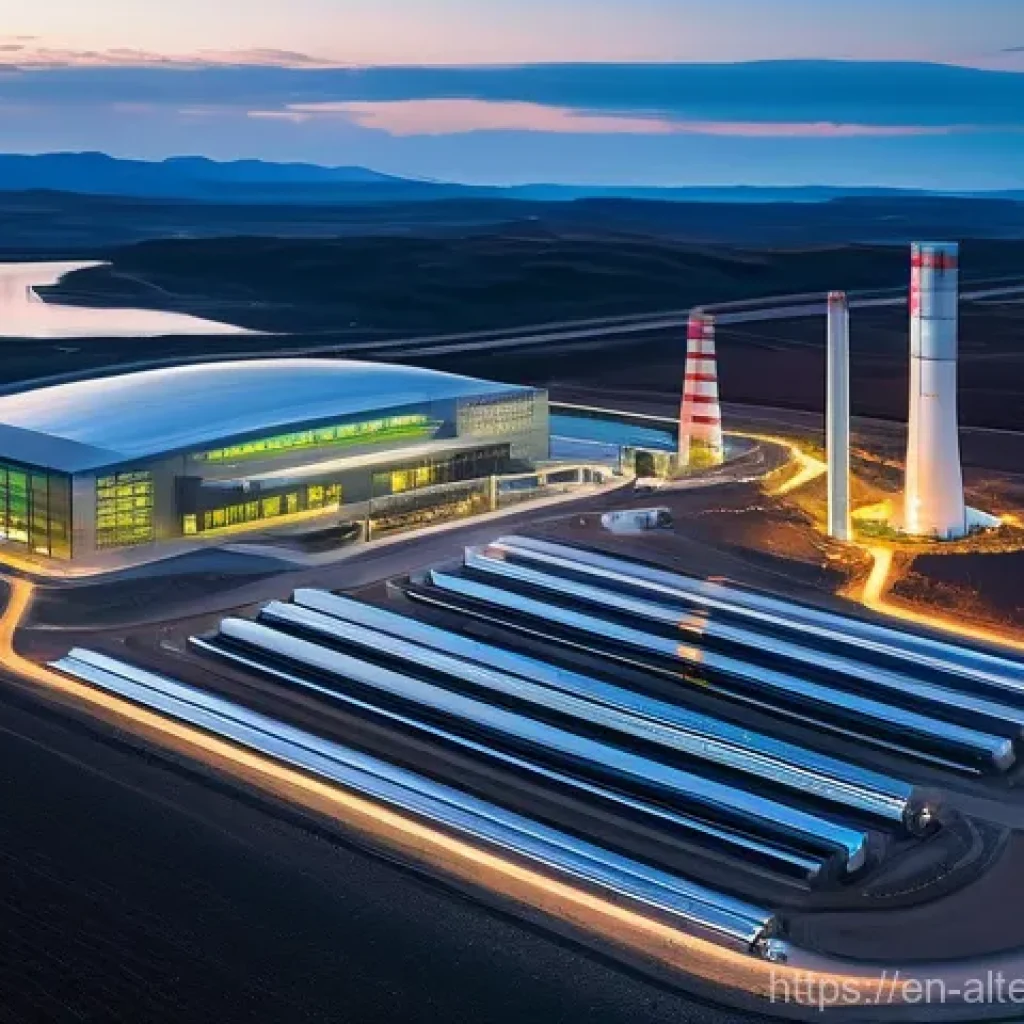
Hey everyone! You know how I’m always on the lookout for the coolest, most sustainable ways we can power our world? Well, today, we’re diving deep into something truly incredible: the genius behind geothermal power plant design.
Forget everything you thought you knew about energy – this isn’t just about tapping into some warm water. We’re talking about harnessing the Earth’s very own beating heart to create clean electricity, 24/7, regardless of whether the sun is shining or the wind is blowing.
With all the buzz around achieving net-zero emissions and boosting energy independence, I’ve personally been fascinated by how these plants are continuously evolving, from cutting-edge drilling techniques that reach miles beneath the surface to those game-changing enhanced geothermal systems (EGS) that could unlock a massive energy potential right beneath our feet.
It’s truly a marvel of modern engineering, and getting these designs just right is absolutely crucial for a greener, more resilient tomorrow. Want to truly understand how we’re making this happen?
Let’s get into the nitty-gritty details right now.
Harnessing the Earth’s Deep Breath: The Fundamentals of Geothermal Energy
Tapping into Nature’s Own Boiler Room
When I first started digging into geothermal, I was genuinely blown away by the sheer simplicity and profound power of it all. Imagine our Earth, constantly simmering with heat from its core – that’s our natural boiler room, right?
Geothermal power plants are essentially just incredibly clever ways of tapping into that colossal, always-on energy source. It’s not just about a few hot springs anymore; we’re talking about sophisticated systems that drill miles down to access incredibly hot water and steam trapped in underground reservoirs.
This isn’t like solar, which needs sunshine, or wind, which needs a breeze. Geothermal is a steady, reliable baseload power source, running 24/7, quietly providing clean electricity.
The real magic, to me, lies in how we manage to bring that scorching heat to the surface and transform it into the electricity that powers our homes and businesses.
It feels a bit like capturing a whisper from the Earth itself and amplifying it into a roar of clean power. Honestly, it’s one of those things that, the more you learn, the more you appreciate the genius of nature and human ingenuity working hand-in-hand.
The Core Components of a Geothermal System
So, what does it really take to make this happen? At its heart, a geothermal power plant needs a few key things: a heat source (obviously, our amazing Earth!), a fluid to carry that heat (usually water, naturally occurring or injected), and a way to convert that heat into electricity.
Think of it like a giant, super-efficient kettle connected to a turbine. The hot fluid, whether it’s steam directly from the ground or superheated water flashed into steam, spins a turbine, which then drives a generator.
After it’s done its work, the cooled fluid is often reinjected back into the Earth, completing a closed loop. This recirculation is super important because it makes the process sustainable, ensuring we’re not depleting the underground resources.
It’s a beautifully circular system, minimizing waste and maximizing efficiency. I remember visiting a plant once, and the sheer scale of the pipes and the meticulous design for heat exchange truly impressed me.
It’s a testament to how far we’ve come in engineering solutions for clean energy.
The Deep Dive: Mastering the Art of Geothermal Drilling
Reaching for the Earth’s Fiery Core
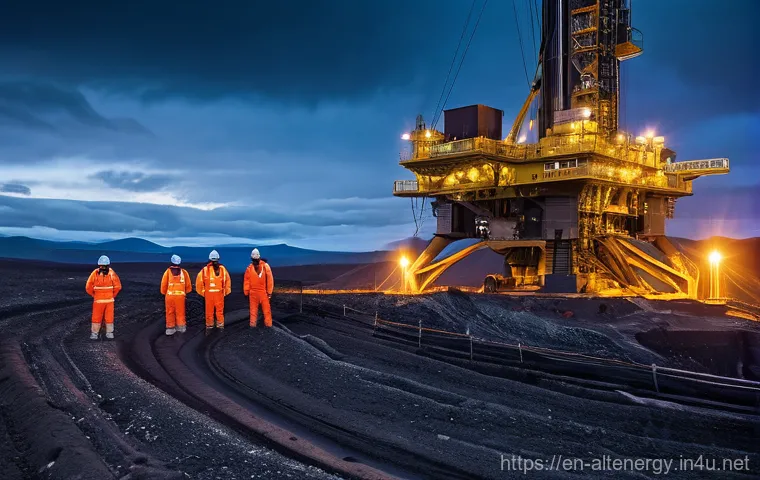
You know, for me, one of the most incredible aspects of geothermal power is the sheer audacity and precision involved in the drilling process. We’re not just digging a hole in the backyard; we’re talking about reaching depths of several miles, often through extremely hard rock formations and under immense pressure and heat.
It’s an engineering feat that rivals space exploration in its complexity! The technology has evolved so much, from traditional oil and gas drilling techniques adapted for geothermal to specialized equipment designed to withstand corrosive geothermal fluids and high temperatures.
I’ve heard stories from engineers about the challenges they face, from unexpected geological formations to keeping drilling bits cool and effective deep underground.
Each drill site presents its own unique puzzle, and solving it requires a blend of geological expertise, cutting-edge technology, and a healthy dose of grit.
It’s truly a testament to human perseverance.
Advanced Drilling Techniques: Pushing the Boundaries
The game has really changed with advancements in drilling. Think about directional drilling, where we can steer the drill bit to target specific underground reservoirs, or even multilateral drilling, which allows us to branch out from a single wellbore to access multiple zones.
These techniques are crucial for maximizing the output from a single well pad, reducing the surface footprint, and increasing efficiency. And then there’s the incredible progress in enhanced geothermal systems (EGS), which sometimes involves hydraulic stimulation – carefully fracturing hot, dry rock formations to create artificial reservoirs.
It’s a bit like creating our own underground plumbing system! This opens up vast new possibilities for geothermal energy in areas that don’t have naturally occurring hydrothermal resources.
My personal take? These innovations are what truly unlock geothermal’s potential to become a dominant player in our clean energy future. It’s not just about finding existing heat; it’s about making new pathways to it.
Converting Heat to Power: The Heartbeat of the Plant
From Steam to Spinning Turbines
Once we’ve brought that precious geothermal fluid to the surface, the real magic of converting heat into electricity begins. It’s like watching a symphony of engineering, where every component plays a critical role.
Depending on the temperature and pressure of the fluid, we use different types of power plants. Flash steam plants, for example, take superheated water, reduce its pressure, causing it to “flash” into steam, which then drives a turbine.
Binary cycle plants, my personal favorite for their versatility, use a secondary working fluid (like isopentane) with a lower boiling point. The geothermal water heats this secondary fluid, creating vapor that spins the turbine, and the geothermal water never even mixes with the working fluid.
This is fantastic because it allows us to use lower-temperature geothermal resources that might otherwise go untapped, and it keeps everything in a closed loop, minimizing emissions.
The ingenuity of these designs is truly inspiring when you think about it.
Optimizing Efficiency: Keeping the Gears Turning Smoothly
Designing these conversion systems isn’t just about getting the turbine to spin; it’s about optimizing every single step to maximize efficiency and maintain a consistent power output.
Engineers obsess over things like heat exchanger design, turbine selection, and cooling systems to ensure every joule of energy is utilized effectively.
We’re constantly looking for ways to reduce parasitic loads – the energy the plant uses to run itself – so more of that generated electricity can actually go to the grid.
From my own observations, the longevity and reliability of these plants are a huge plus. They’re built to last, often operating for decades with relatively low maintenance compared to other power sources.
This reliability translates directly into a more stable and secure energy supply, which is something I deeply value when thinking about our future energy needs.
Beyond the Conventional: Embracing Enhanced Geothermal Systems (EGS)
Unlocking New Frontiers for Geothermal Energy
Okay, let’s talk about something truly game-changing: Enhanced Geothermal Systems, or EGS. This is where geothermal goes from being an amazing resource in specific, geologically blessed areas to potentially becoming a widespread power solution.
The traditional geothermal plants rely on naturally occurring hot water and steam reservoirs, which are fantastic but not everywhere. EGS, on the other hand, creates these reservoirs.
It’s like we’re not just fishing where the fish are; we’re creating new fishing grounds! This involves drilling into hot, dry rock and then carefully injecting water at high pressure to create or enlarge fractures, allowing water to circulate and pick up heat.
It’s a complex process, involving advanced reservoir engineering and seismic monitoring, but the potential is absolutely staggering. I’ve always been an advocate for pushing technological boundaries, and EGS embodies that spirit perfectly.
The Promise and Challenges of EGS Development
The promise of EGS is immense, truly. It could unlock a massive, virtually inexhaustible energy resource right beneath our feet, dramatically expanding the geographic reach of geothermal power.
Imagine generating clean, reliable energy in places that were previously thought unsuitable! However, it’s not without its challenges. The drilling is deeper, the engineering is more complex, and managing induced seismicity (small, typically unnoticeable tremors) requires careful monitoring and robust protocols.
But from what I’ve seen, the industry is dedicated to addressing these challenges head-on with innovative solutions and rigorous research. My take? The long-term benefits of a secure, clean, and dispatchable energy source like EGS far outweigh the developmental hurdles.
It’s a marathon, not a sprint, but one that promises an incredible payoff for our planet.
Keeping Our Planet in Mind: Environmental Stewardship in Design
A Smaller Footprint for a Brighter Future
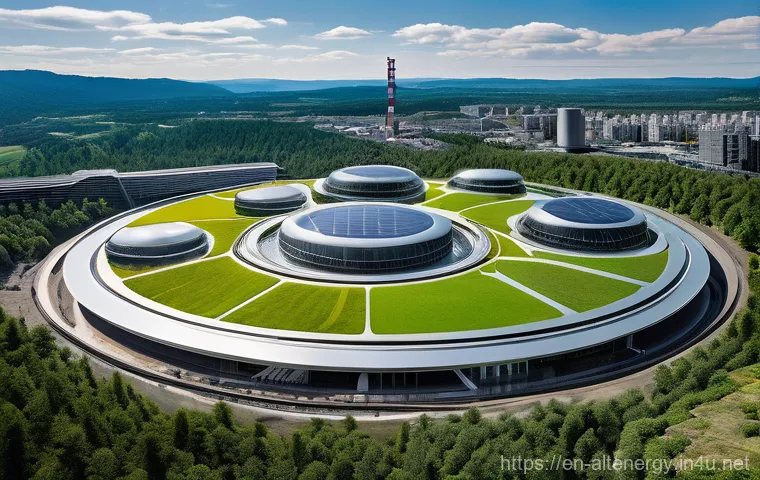
One of the reasons I’m such a big fan of geothermal is its incredibly small environmental footprint, especially when we talk about design. Compared to other large-scale energy projects, geothermal plants are remarkably compact.
They don’t require vast stretches of land like solar farms or wind farms, and because the fuel source is underground, there’s no need for extensive mining or fuel transportation.
When I think about sustainability, minimizing land use and habitat disruption is a huge win. The design process for these plants always includes meticulous environmental impact assessments, ensuring that we’re protecting local ecosystems and reducing noise pollution during operation.
It’s a holistic approach that truly considers our planet.
Emissions and Water Management: A Clean, Closed Loop
Let’s talk about emissions – or rather, the lack thereof! Many modern geothermal plants, especially binary cycle systems, operate in a closed loop. This means the geothermal fluid never comes into contact with the atmosphere, virtually eliminating air emissions.
Even flash steam plants have significantly lower greenhouse gas emissions compared to fossil fuel power plants. Water usage is another critical aspect.
While some water is used in the process, particularly for EGS, the goal is always to maximize reinjection and minimize consumption, making the process as water-efficient as possible.
This commitment to a closed-loop system and minimal environmental impact is, in my opinion, what makes geothermal such an elegant solution for a sustainable energy future.
It’s not just about producing power; it’s about doing it responsibly.
The Economics of Deep Heat: Understanding Geothermal’s Value
Long-Term Investment, Stable Returns
When we talk about energy, it’s impossible to ignore the economic side of things. And honestly, geothermal power offers a compelling financial picture, especially when you look at the long game.
The upfront costs for exploration and drilling can be significant, no doubt about it. It requires a substantial initial investment. But here’s the kicker: once a geothermal plant is up and running, its operational costs are remarkably low.
There’s no fuel to buy – the Earth provides it for free, endlessly. This translates into stable, predictable electricity prices for decades, insulated from the volatile swings of fossil fuel markets.
From a business perspective, that kind of cost stability is incredibly attractive, offering a solid return on investment over the plant’s operational lifetime, which can be 30 years or more.
It’s not a get-rich-quick scheme, but a smart, long-term asset.
The Broader Economic Impact and Grid Benefits
Beyond direct plant economics, geothermal power brings substantial benefits to the broader energy landscape. It provides baseload power, meaning it can run continuously, unlike intermittent sources like solar and wind.
This reliability makes it an invaluable asset for grid stability, reducing the need for expensive backup power plants. Plus, developing geothermal projects creates skilled local jobs, from geoscientists and engineers to drillers and plant operators.
These are high-quality, long-term jobs that contribute to local economies. I personally believe that investing in geothermal is not just about clean energy; it’s about investing in economic resilience and community development.
It’s a powerful combination that often gets overlooked in the broader energy conversation.
Here’s a quick overview of how different geothermal plant types stack up:
| Plant Type | Description | Key Benefit | Ideal Resource Temperature |
|---|---|---|---|
| Dry Steam | Uses direct steam from reservoir to spin turbine. | Simplest design, high efficiency. | Very high (150-370°C / 300-700°F) |
| Flash Steam | Hot water under pressure flashes to steam when pressure drops. | Most common type, effective for high-temp water. | High (150-370°C / 300-700°F) |
| Binary Cycle | Geothermal water heats a secondary fluid with a lower boiling point. | Closed-loop, suitable for lower temperatures. | Moderate to low (75-180°C / 165-350°F) |
| Enhanced Geothermal Systems (EGS) | Creates artificial reservoirs by fracturing hot, dry rock. | Expands geothermal reach to new regions, massive potential. | Varies greatly depending on rock, but generally hot (>200°C / 390°F) |
Innovations on the Horizon: The Future of Geothermal Design
Pushing the Boundaries of Geothermal Technology
Just when you think you’ve got a handle on geothermal, the innovators come along and totally blow your mind with what’s next! The future of geothermal plant design is incredibly exciting.
We’re seeing advancements in everything from drilling technology, like new materials for drill bits that can withstand even more extreme conditions, to novel heat exchange fluids that can boost efficiency.
There’s a lot of buzz around advanced sensors and AI-driven analytics that can help us map underground reservoirs with unprecedented precision, making exploration more efficient and less risky.
I’ve always been a firm believer that technology holds the key to unlocking true sustainability, and the continuous evolution in geothermal design perfectly illustrates this.
It’s not a static industry; it’s vibrant and constantly pushing forward.
The Promise of Next-Gen Geothermal Solutions
Beyond the incremental improvements, there are some truly revolutionary concepts gaining traction. Things like co-production, where geothermal wells also extract valuable minerals, or hybrid systems that combine geothermal with other renewables to create an even more robust and dispatchable power source.
Then there’s super-hot rock (SHR) geothermal, which targets even deeper, hotter zones where water exists in a supercritical state, promising incredible power output.
The potential for these next-gen solutions is immense, and they could truly transform our energy landscape. My personal vision? A world where geothermal power, in all its forms, becomes a cornerstone of our global energy mix, providing clean, reliable power wherever it’s needed.
It’s a dream that feels closer to reality with every new innovation in plant design.
Wrapping Up Our Geothermal Journey
Well, friends, what an incredible journey we’ve had, diving deep into the fascinating world of geothermal energy! Honestly, the more I explore this topic, the more I’m convinced that it’s not just another renewable source; it’s a cornerstone of our clean energy future. From harnessing the Earth’s natural heat to the sophisticated engineering that brings it to our homes, geothermal truly embodies innovation and sustainability. It’s a constant, reliable power that’s always there, working quietly beneath our feet, and that, to me, is truly inspiring. I hope our deep dive has opened your eyes to the immense potential that lies right under us!
Useful Insights for Your Energy Quest
1. Consider Geothermal Heat Pumps for Your Home: While our post focused on large-scale geothermal power plants, don’t forget about geothermal heat pumps (GHPs) for residential use! These systems tap into the stable temperatures just a few feet below the Earth’s surface to provide incredibly efficient heating and cooling for your home. I’ve heard countless stories from homeowners who’ve significantly slashed their energy bills and reduced their carbon footprint by making the switch. It’s a fantastic way to personally engage with geothermal technology, and many governments offer incentives to help with the upfront costs.
2. Research Local Geothermal Potential: If you’re genuinely curious about geothermal, take a moment to look into the geological profile of your region. Some areas naturally have more accessible geothermal resources than others. Websites of national geological surveys or energy departments often provide maps and data on geothermal potential. You might be surprised to learn about existing projects or ongoing research near you. It’s always a good idea to know what kind of energy landscape you’re living in!
3. Understand Policy and Incentives: The growth of geothermal energy is heavily influenced by government policies, tax credits, and grants. These can significantly impact the economic viability of projects, both large and small. Keep an eye on legislative updates regarding clean energy, as supportive policies can accelerate development and make it more attractive for investment. I’ve seen firsthand how a well-structured incentive program can jumpstart an entire industry.
4. The “Always On” Advantage: One of the standout features of geothermal is its “baseload” capacity. Unlike solar and wind, which are intermittent, geothermal plants can operate 24/7, providing a constant, reliable supply of electricity. This makes it an incredibly valuable asset for grid stability and reliability, especially as we integrate more variable renewable sources. It’s like having that one super dependable friend who you can always count on, no matter what.
5. Career Opportunities in a Growing Field: For those looking at future career paths, the geothermal industry is ripe with opportunities. From geoscientists who explore and map underground reservoirs to engineers who design and operate power plants, and even skilled technicians for maintenance and drilling, there’s a diverse range of roles. It’s a field that combines cutting-edge technology with environmental stewardship, offering a chance to contribute meaningfully to a sustainable future. If you’re passionate about both technology and our planet, this might just be your calling!
Key Takeaways from Our Deep Dive
If there’s one thing I hope you remember from our exploration of geothermal energy, it’s its unique blend of reliability and environmental responsibility. We’ve seen how it leverages the Earth’s constant internal heat to deliver dispatchable, baseload power, a crucial advantage in the evolving energy landscape. The technological advancements, particularly in drilling and Enhanced Geothermal Systems (EGS), are continually expanding its reach and potential, proving that innovation is key to our sustainable future. What truly resonates with me is its minimal environmental footprint – from low emissions to efficient land and water use – making it an incredibly clean solution. Economically, while it requires significant initial investment, the long-term operational stability and predictable costs offer a compelling value proposition. Geothermal isn’t just an energy source; it’s a testament to human ingenuity harmonizing with nature’s power, building a more resilient and sustainable planet for generations to come. I’m genuinely excited to see how it continues to evolve and empower our world!
Frequently Asked Questions (FAQ) 📖
Q: How does geothermal power actually work to generate electricity? It sounds almost magical!
A: Okay, so you know how I always talk about tapping into our planet’s natural resources? Well, geothermal is like the ultimate version of that! Imagine the Earth literally has a warm, beating heart.
Deep, deep down, miles beneath our feet, there’s this incredible heat – leftover from the planet’s formation and from decaying radioactive isotopes. When we talk about conventional geothermal, we’re essentially looking for spots where this heat is closer to the surface, often where there’s natural underground hot water or steam.
What we do then is drill wells, sometimes incredibly deep, to tap into these geothermal reservoirs. This superheated water or steam, under immense pressure, is brought up to the surface.
It then flows through a power plant, where its energy is used to spin a turbine. That spinning turbine is connected to a generator, and voilà – electricity!
It’s really quite ingenious, taking something naturally occurring and converting it into reliable, clean power. The best part? After its work is done, the cooled water is usually injected back into the Earth, ensuring the reservoir gets replenished for sustainable use.
It’s a beautiful, closed-loop system, if you ask me!
Q: What makes geothermal so much better than, say, solar or wind power for achieving those net-zero goals?
A: That’s a fantastic question, and it’s one I get asked a lot when I talk about energy independence! While I absolutely adore solar and wind – they’re vital pieces of our clean energy puzzle – geothermal brings something truly unique to the table: baseload power.
Think about it this way: the sun only shines during the day, and the wind doesn’t always blow. That means solar and wind are intermittent; they rely on external conditions.
But our Earth’s heat? That’s there 24 hours a day, 7 days a week, 365 days a year, rain or shine, wind or calm. I’ve personally seen how this constant availability makes geothermal incredibly reliable.
It provides a steady, predictable supply of electricity that can be dispatched whenever needed, which is absolutely crucial for stabilizing our power grids and ensuring we always have lights on.
This consistent output means we can reduce our reliance on fossil fuels even further, truly accelerating our journey to net-zero emissions and building a much more resilient energy future.
It’s not about one being “better” than the other, but about geothermal being that dependable workhorse that complements the variability of other renewables so perfectly!
Q: I keep hearing about “Enhanced Geothermal Systems” or EGS. What exactly are they, and why are they considered such a big deal for the future of energy?
A: Oh, EGS! Now we’re talking about the truly exciting frontier of geothermal energy, and honestly, it’s what keeps me buzzing about the future! Traditional geothermal plants, as I mentioned, rely on naturally occurring hot water reservoirs.
But here’s the kicker: those ideal spots aren’t everywhere. That’s where EGS swoops in like a superhero! Imagine we could create those geothermal reservoirs in places where they don’t naturally exist, as long as there’s enough heat deep underground.
That’s essentially what EGS aims to do. We drill a well into hot, dry rock, then inject water at high pressure to create tiny, microscopic fractures – it’s not like causing earthquakes, it’s more like opening up pathways within the rock.
We then drill a second well to capture that heated water after it circulates through these new pathways. It’s like giving the Earth a gentle massage to unlock its hidden energy potential!
My experience tells me this is a game-changer because it vastly expands the geographical areas where geothermal power can be developed. We’re talking about potentially unlocking a massive, almost limitless amount of clean energy that’s literally right beneath our feet, anywhere with sufficient subsurface heat.
This technology could genuinely revolutionize how we power our homes and industries, making energy independence a very real possibility for so many more regions.
It’s truly cutting-edge, and the potential impact on our climate goals is just phenomenal!