Hey there, amazing people! Have you ever looked at your energy bill and just sighed, wishing there was a magical way to make it disappear? Or maybe you’ve been thinking more about our planet and how we can all do our part?
Well, I’ve got some truly exciting news that touches on both! I’ve been absolutely fascinated lately by the incredible buzz around Zero Energy Buildings – it’s not just a futuristic dream anymore, it’s becoming a very real, very tangible way we can live smarter and greener.
Imagine a home that produces as much energy as it consumes, effortlessly blending cutting-edge tech with environmental responsibility, all while potentially saving you a ton of cash.
It truly sounds like something out of a sci-fi movie, but trust me, it’s happening right now, and it’s a game-changer for homeowners and our world. So, if you’re ready to peek into the future of sustainable living and discover how these incredible buildings are redefining what’s possible, let’s dive in and explore exactly what makes them so revolutionary.
Unlocking Energy Freedom: How Your Home Can Become a Powerhouse

The Philosophy of Balance: Produce What You Consume
It’s a pretty straightforward idea, right? Imagine your home isn’t just a place you live, but a living, breathing entity that’s constantly working to maintain its own energy equilibrium.
That’s the core philosophy behind what we’re talking about – a home that generates as much energy as it uses over the course of a year. No more fretting about the next heatwave or a cold snap pushing your electricity bill through the roof.
I remember the days when I’d brace myself every month for that dreaded envelope, wondering just how much the AC or heating had set me back. Now, the thought of receiving an energy bill that actually says “zero” or even “credit” is not only thrilling but a tangible reality for so many.
It’s about taking control, not just of your finances, but of your environmental footprint too. This isn’t just about saving a few bucks; it’s a radical rethinking of our relationship with energy, moving from passive consumers to active producers.
It’s a journey I’ve found incredibly empowering, watching my meter spin backward and knowing I’m contributing to something bigger.
Beyond the Meter: Understanding Net-Zero Performance
So, how does a home actually achieve this magical net-zero status? It’s not just about slapping some solar panels on the roof and calling it a day, though that’s a huge part of it.
We’re talking about an integrated system where every component works in harmony. Think super-efficient insulation that keeps your home cozy in winter and cool in summer without breaking a sweat.
Then there are those high-performance windows, designed to let in light but keep out the heat or cold, reducing the need for artificial climate control.
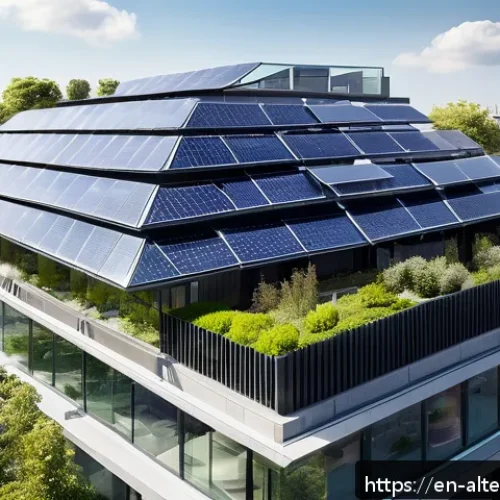
And, of course, the energy generation itself, often through photovoltaic solar panels, diligently converting sunlight into electricity for your appliances, lights, and even your electric vehicle.
It’s like a meticulously choreographed dance where every dancer knows their part, resulting in a seamless performance. What I’ve really come to appreciate is the intelligent design that goes into these homes – it’s not just about adding features, but about optimizing every single aspect of the building envelope and its systems for maximum energy efficiency before even considering how to generate power.
This holistic approach is what truly sets them apart and creates that incredible, sustainable lifestyle.
Beyond the Grid: The Smart Tech Behind Self-Sufficient Living
Harvesting the Sun: The Power of Photovoltaics
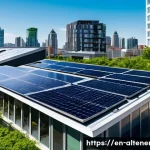
When most people think of a zero-energy home, the first thing that probably pops into their mind is solar panels, and rightfully so! They are, without a doubt, the rockstars of renewable energy generation for residential properties.
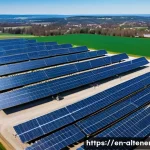
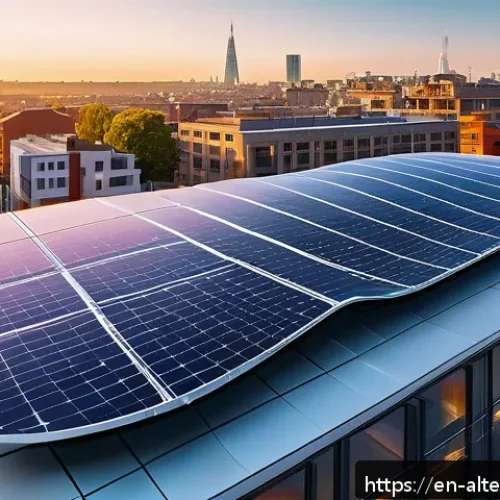
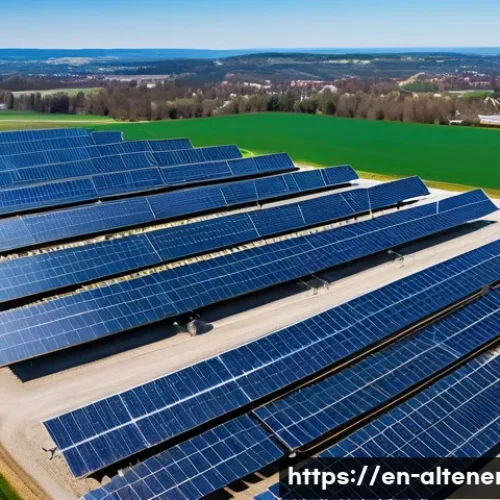
But let me tell you, the technology has come leaps and bounds from the clunky, inefficient panels of yesteryear. Modern photovoltaic systems are sleek, incredibly durable, and shockingly efficient, transforming mere sunlight into a powerful stream of electricity for your home.
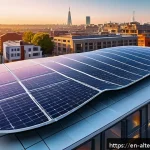
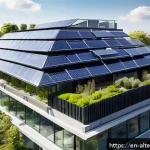
I’ve personally seen the joy on homeowners’ faces when they realize their own roof is essentially a small power plant, churning out clean energy hour after hour.
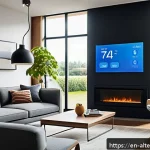
It’s not just about the panels themselves, but the entire system – the inverters that convert that DC power into usable AC, and the smart monitoring systems that let you track your energy production in real-time right from your phone.
It’s empowering to see exactly how much energy your home is producing, almost like watching your savings account grow, but with sunshine instead of dollars.
This technology allows us to truly harness nature’s abundance right where we live.
Intelligent Design: Building for Extreme Efficiency
Here’s where things get really fascinating, and frankly, a bit nerdy in the best possible way. A truly zero-energy home isn’t just about generating power; it’s fundamentally about *not needing* much power in the first place.
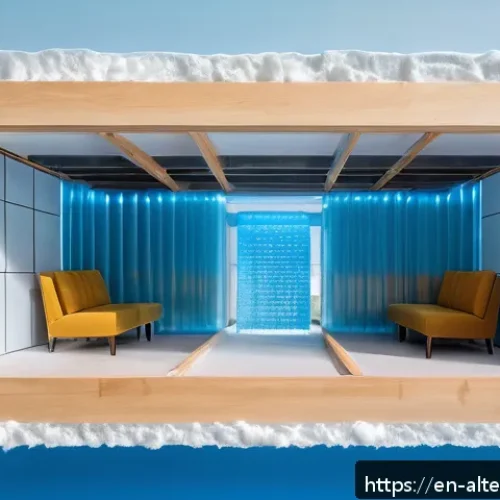
This is where the magic of intelligent design and advanced building materials comes into play. We’re talking about super-insulation that’s far beyond standard code, creating an incredibly tight thermal envelope that barely lets any conditioned air escape.
Imagine walls, roofs, and foundations so well-insulated that your home maintains a comfortable temperature with minimal effort. Then there are high-performance windows, often triple-paned with special coatings, strategically placed to maximize natural light and passive solar heating in winter while minimizing unwanted heat gain in summer.
And let’s not forget about airtight construction – sealing every tiny crack and gap to prevent drafts and uncontrolled air leakage. This meticulous attention to detail makes an enormous difference, dramatically reducing the energy load before any renewable energy systems even kick in.
It’s truly a testament to how smart engineering can redefine comfort and efficiency.
Crunching the Numbers: Is a Net-Zero Home Really a Smart Investment?
The Upfront Cost vs. Long-Term Payback
Okay, let’s be real for a moment. The initial thought of building or retrofitting a home to net-zero standards can feel a bit daunting, especially when you start looking at the upfront costs.
Yes, incorporating high-efficiency systems, superior insulation, and a robust solar array often means a higher initial investment compared to a conventional build.
But here’s the thing I’ve learned, and something I always emphasize: you have to look beyond that first sticker price. This isn’t just an expense; it’s an investment that pays dividends, often for the entire lifespan of your home.
Think of it like buying a premium, fuel-efficient car versus a gas-guzzler. You might pay more upfront for the efficient model, but you save significantly on fuel costs over time.
With a net-zero home, those “fuel costs” are your energy bills, which essentially drop to zero. Plus, you’re often locking in energy independence, shielding yourself from volatile energy price fluctuations that can wreak havoc on a traditional homeowner’s budget.
Incentives and Property Value: Sweetening the Deal
What many people don’t realize is that governments and utilities are often on board with the shift towards sustainable living, offering some fantastic incentives that can significantly offset those initial costs.
We’re talking about federal tax credits for solar installations, state and local rebates for energy-efficient appliances, and sometimes even grants for specific green building initiatives.
These programs vary widely by location, so it’s always worth doing your homework to see what’s available in your area. Beyond the immediate savings from incentives, there’s another compelling financial benefit: increased property value.
Studies consistently show that homes with solar panels and other energy-efficient features command higher resale values and sell faster. Imagine selling your home and being able to tell prospective buyers that their monthly electricity bill will essentially be non-existent!
That’s a huge selling point in today’s market. It’s not just about doing good for the planet; it’s about making a genuinely smart financial move that boosts your asset’s worth.
| Feature | Traditional Home | Net-Zero Home |
|---|---|---|
| Energy Source | Mainly Grid Electricity, Natural Gas | Solar PV, Geothermal (on-site generation) |
| Energy Bills | Variable, often high, susceptible to price hikes | Near zero, potentially receiving credits |
| Insulation Levels | Standard building code (often R-13 to R-19 walls) | Superior, beyond code (often R-30+ walls, R-60+ attics) |
| Windows | Single or Double-pane, less efficient | High-performance, often Triple-pane, low-E coatings |
| Air Sealing | Standard, potential for significant drafts | Extremely tight, minimal air leakage (blower door tested) |
| Resale Value | Standard market value | Higher, attractive to environmentally conscious buyers |
| Environmental Impact | Higher carbon footprint, reliance on fossil fuels | Minimal to zero carbon footprint, sustainable living |
My Own Experience: What It’s Like to Live in an Energy-Positive Space
The Joy of Zero: A Personal Anecdote
I distinctly remember the first full year after my own home was converted to net-zero. It was a cold winter, the kind where the heating usually runs almost constantly, and I’d typically dread opening that utility bill.
But that year, something magical happened. Not only was my heating practically invisible on the bill, but the overall energy statement showed a credit – meaning I had actually produced more energy than I consumed!
The feeling of seeing that positive balance, knowing my roof had worked tirelessly to power my entire household, was absolutely exhilarating. It wasn’t just about the money saved, though that was a huge bonus; it was the profound sense of independence and self-sufficiency.
I felt like I was truly living in harmony with my surroundings, leveraging natural resources instead of constantly drawing from an impersonal grid. It’s a peace of mind that’s truly invaluable, knowing that fluctuating energy markets or unexpected outages hold far less sway over my daily life.
Unexpected Perks: Comfort, Quiet, and Consistency
Beyond the obvious financial and environmental benefits, living in a net-zero home has revealed some delightful, almost unexpected perks that I hadn’t fully anticipated.
First, the comfort is unparalleled. Thanks to the superior insulation and airtight construction, the temperature throughout my home is remarkably consistent.
No more cold spots near windows or drafts along the floor! It creates a truly even and pleasant indoor climate year-round. Then there’s the quiet.
Because the building envelope is so robustly sealed, external noise pollution is dramatically reduced. It’s a little urban sanctuary, a peaceful haven where traffic sounds or loud neighbors fade into a gentle hum, if heard at all.
This improved indoor air quality, thanks to controlled ventilation systems that filter fresh air, is another huge plus for my family. It’s like living in a perfectly calibrated environment, where everything just feels… better.
These subtle yet significant improvements to daily living quality really drive home the value of this kind of intelligent design.
Future-Proofing Your Property: Why Net-Zero is More Than Just a Green Trend

Resilience in a Changing World: Beyond Utility Dependency
Let’s face it, the world is becoming increasingly unpredictable. From extreme weather events causing widespread power outages to the ever-present volatility of energy markets, relying solely on traditional utility providers can feel a bit like putting all your eggs in one basket.
This is where the true resilience of a net-zero home shines. By generating its own power, especially when combined with battery storage, your home becomes an island of energy independence.
Imagine a major storm knocking out power for days or even weeks in your neighborhood, but your lights are still on, your fridge is still humming, and your devices are charged.
I’ve heard countless stories from folks who, during prolonged outages, were the only ones on their street with power, able to help neighbors and maintain a sense of normalcy.
It’s not just about comfort; it’s about safety and security, knowing that your home can stand strong and continue to function even when the grid falters.
This level of self-reliance is becoming less of a luxury and more of a practical necessity.
Adapting to Tomorrow’s Regulations and Values
It’s clear that the push towards a more sustainable future isn’t just a fleeting fad; it’s a fundamental shift in how we approach living and building.
Governments worldwide are increasingly implementing stricter energy codes and sustainability mandates. What’s considered cutting-edge today could very well be the standard tomorrow, and homes that don’t meet these evolving expectations might find themselves at a disadvantage.
By investing in a net-zero home now, you’re essentially future-proofing your property. You’re building ahead of the curve, ensuring your home remains compliant, valuable, and desirable for decades to come.
Beyond regulations, there’s a growing awareness and demand from consumers for environmentally responsible living. Buyers are increasingly prioritizing homes that offer lower operating costs and a reduced carbon footprint.
So, not only are you protecting your investment against potential future penalties or depreciation, but you’re also aligning your property with the values of the next generation of homeowners.
It’s a strategic move for both your wallet and your conscience.
The Roadblocks and Rewards: What I Learned Building My Sustainable Sanctuary
Navigating the Design and Construction Journey
Embarking on the journey to create a net-zero home, whether through a new build or a deep retrofit, is undeniably a significant undertaking. It’s not quite as simple as picking out paint colors and flooring; it requires a deep dive into building science, material selection, and energy systems.
I’ve found that one of the biggest initial hurdles is finding the right team – architects, builders, and contractors who truly understand and specialize in high-performance, sustainable construction.
Not everyone is up to speed on the latest techniques for airtightness, advanced insulation, or integrated renewable energy systems. My advice? Don’t be afraid to ask tough questions, check references, and seek out certifications.
It’s a learning curve for everyone involved, but working with a team that shares your vision and has a proven track record makes all the difference. There were definitely moments of frustration, like when we had to rethink a ventilation strategy or sourced a specific type of window, but the reward of seeing those carefully planned elements come together was immense.
Overcoming Challenges and Embracing Innovation
Building a net-zero home can sometimes feel like solving a complex puzzle, with each piece needing to fit perfectly to achieve the desired outcome. There might be unexpected site conditions, supply chain issues for specialized materials, or simply the challenge of integrating various high-tech systems seamlessly.
For instance, I remember a particular issue with optimizing the placement of some external shading elements to perfectly balance summer heat rejection with winter passive solar gain – it required precise calculations and adjustments.
It’s these moments that push you to innovate and find creative solutions. But honestly, that’s part of the adventure! Each challenge overcome felt like a small victory, contributing to the overall success of the project.
And the learning? Priceless. I’ve become so much more knowledgeable about how homes really work and how much potential there is for energy efficiency.
The satisfaction of walking through a home that embodies such thoughtful design and forward-thinking technology, knowing the effort that went into it, is truly unmatched.
Small Shifts, Big Savings: Bringing Net-Zero Principles to Your Current Home
Beyond the Big Build: Incremental Energy Upgrades
While a full-blown net-zero new build or deep retrofit might seem like a huge leap, the fantastic news is that you don’t have to go all-in overnight to start reaping the benefits of energy efficiency.
You can absolutely begin incorporating net-zero principles into your existing home, one smart step at a time. I’ve seen countless friends and family members make significant dents in their energy consumption by focusing on incremental upgrades.
Think about boosting your attic insulation, for instance. It’s often one of the most cost-effective ways to improve your home’s thermal envelope and reduce heat loss or gain.
Or consider upgrading to energy-efficient windows, even if it’s just one or two at a time, starting with the ones that are the biggest culprits for drafts or heat transfer.
Every little bit truly adds up, contributing to a more comfortable home and a lighter load on your wallet. It’s about making conscious choices that align with the net-zero philosophy, without needing to tear your entire house down.
Smart Systems and Behavioral Changes: Everyday Impact
Beyond the physical upgrades, there’s a whole world of smart technologies and simple behavioral changes that can drastically cut down your energy footprint.
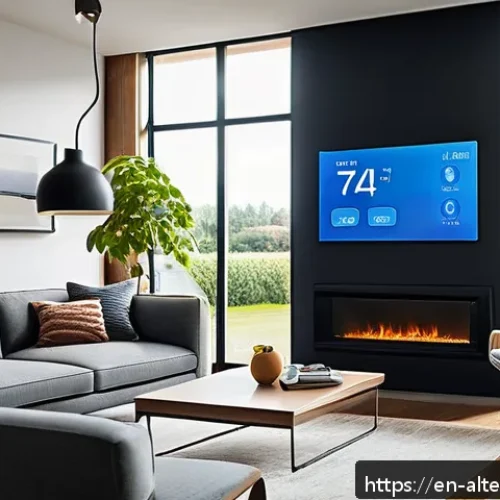
Swapping out old incandescent bulbs for LED lighting is a no-brainer – it saves money and lasts ages. Installing a smart thermostat that learns your habits and optimizes heating and cooling schedules can make a surprising difference without you even thinking about it.
And don’t underestimate the power of simply being more mindful of your energy use! Unplugging “vampire” electronics that draw power even when turned off, washing clothes in cold water, or line-drying laundry when the weather permits are small habits that collectively make a big impact.
I’ve personally seen my “phantom load” drop dramatically just by being more aware of what’s plugged in. It’s about cultivating an energy-conscious mindset, where every decision, big or small, contributes to a more sustainable and cost-effective way of living.
It’s empowering to know that even without a complete overhaul, you have the power to make your home significantly greener and more efficient right now.
Wrapping Things Up
Whew! What a journey we’ve taken through the fascinating world of Zero Energy Buildings. It’s truly incredible to see how far we’ve come in making sustainable living not just a lofty ideal, but a tangible, achievable reality for homeowners everywhere. From the magic of solar panels harnessing the sun’s power to the intelligent design that makes our homes incredibly efficient, every piece of this puzzle contributes to a future where our energy bills are negligible and our environmental footprint is minimal. I genuinely hope this deep dive has sparked some inspiration and shown you that living a more sustainable life isn’t just possible, but also immensely rewarding, both for your wallet and for our beautiful planet. It’s about making smart choices today that will pay off for generations to come, and honestly, there’s nothing more satisfying than that.
Handy Tips for Your Zero-Energy Journey
1. Start Small: You don’t need to build a new home to begin. Focus on incremental upgrades like better insulation, sealing drafts, or switching to LED lighting. Every small step makes a difference!
2. Research Incentives: Look into local, state, and federal programs offering tax credits, rebates, or grants for energy-efficient home improvements and renewable energy installations. These can significantly reduce your upfront costs.
3. Prioritize the Envelope: Before adding solar panels, ensure your home’s “envelope” (walls, roof, windows, foundation) is as airtight and well-insulated as possible. Reducing energy demand is often cheaper and more effective than generating more power.
4. Monitor Your Usage: Invest in smart home energy monitoring systems. Seeing where your energy goes can empower you to make behavioral changes and pinpoint areas for improvement. Knowledge truly is power here!
5. Find the Right Pros: When considering bigger projects, seek out architects, builders, and contractors with proven experience in high-performance or net-zero construction. Their expertise will be invaluable in navigating the complexities.
Key Takeaways
Zero Energy Buildings represent a powerful blend of environmental responsibility and financial shrewdness, offering homes that produce as much energy as they consume, leading to near-zero utility bills and enhanced energy independence. This innovative approach relies on cutting-edge design, superior insulation, and on-site renewable energy generation, primarily solar photovoltaics. While the initial investment can be higher, long-term savings, government incentives, and increased property value make it a smart and resilient choice for future-proofing your home in a world increasingly focused on sustainability and energy security. Even if a full net-zero build isn’t immediately feasible, adopting core principles like efficiency upgrades and smart energy habits can significantly reduce your environmental impact and costs.
Frequently Asked Questions (FAQ) 📖
Q: What exactly defines a Zero Energy Building, and how does it actually work?
A: This is such a great question to kick us off because, let’s be honest, “zero energy” sounds a bit like magic, right? Well, a Zero Energy Building (often called a Net Zero Energy, or NZEB) is pretty much what it sounds like: a building that, over the course of a year, produces as much renewable energy as it consumes.
Think of it like a perfectly balanced energy equation! It’s not just about adding a bunch of solar panels; that’s a common misconception. The real secret sauce is a two-pronged approach.
First, these buildings are designed from the ground up to be incredibly energy-efficient. We’re talking super-insulated walls and roofs, high-performance windows that keep heat in during winter and out during summer, airtight construction to prevent drafts, and hyper-efficient appliances and lighting.
I remember touring a prototype home once, and the difference in temperature stability and quietness compared to a standard home was mind-blowing – you could feel the quality!
This extreme efficiency drastically reduces the amount of energy the building needs. Only then do they integrate renewable energy systems, most commonly rooftop solar panels, to generate the remaining energy required.
So, it’s a smart combination of consuming less and producing your own clean energy, typically right there on-site.
Q: Are Zero Energy Buildings really affordable, or are they just for the super-rich? What’s the real cost picture?
A: This is probably the number one question I get, and for good reason! When I first heard about Zero Energy Homes, I immediately pictured enormous price tags and thought, “Well, that’s a dream for another lifetime!” But honestly, that’s a major misconception.
While it’s true that the initial construction cost can be slightly higher than a conventional home – typically around 5% to 10% more due to those high-performance materials and solar systems – the long-term financial picture is where they truly shine and become incredibly affordable, even advantageous.
Think about it: with significantly reduced, or even zero, monthly energy bills, you’re saving money every single month. Over the lifespan of your mortgage, these savings can far outweigh the slightly higher upfront investment.
I’ve seen analyses showing that the increased monthly mortgage payment (if there is one) for the Zero Energy features is often less than the energy savings you get, meaning positive cash flow from day one!
Plus, many regions offer fantastic incentives like federal tax credits, state rebates, and energy-efficient mortgages that help offset those initial costs, making them even more accessible.
And let’s not forget the added resale value – homes built to these standards are increasingly attractive to buyers, often selling for 5-10% more. It’s not just an investment in sustainability; it’s a really smart financial move for the future.
Q: What are the biggest challenges or common misconceptions people have about living in a Zero Energy Home?
A: Oh, there are definitely a few myths floating around, and I totally get why! One big one is the idea that you have to completely change your lifestyle or live like you’re “off the grid.” Not true at all!
Most Zero Energy Homes are still connected to the local utility grid. This is actually a huge benefit because your home can send excess energy it produces back to the grid (often earning you credits!) and draw from the grid when your solar panels aren’t producing enough, like at night or on super cloudy days.
It’s a seamless exchange, not an isolated existence. Another common concern is maintenance, especially for the tech like solar panels. People imagine complex systems needing constant upkeep.
In reality, modern solar panels require minimal maintenance, often just a cleaning twice a year to keep them efficient, and many of the other efficient systems are designed for durability and longevity.
From my experience, the improved comfort and consistent indoor temperatures in a well-insulated, airtight home are far more noticeable than any perceived maintenance hassle.
Some also worry about limited design options or that these homes will look “futuristic” and out of place. While optimizing for solar gain does influence design, architects are incredibly innovative, blending aesthetic appeal with high performance, offering diverse and beautiful homes that fit right into any neighborhood.
The biggest challenge really comes down to finding skilled builders and designers who truly understand the integrated approach needed, but thankfully, that expertise is growing rapidly!